Politics
Highland City Councilor: Utah County Republican Party issuing endorsements in municipal elections “Deeply troubling”

Dear Editor,
This year’s municipal elections mark a historic and troubling shift for Utah County. For the first time, a partisan political party has chosen to endorse candidates in races that have always been nonpartisan. These endorsements reportedly required both a fee and a pledge of loyalty to the party’s platform.
Early results suggest that these party-endorsed candidates have swept the nonpartisan races. This development raises serious concerns about the future of local governance, voter choice, and the integrity of Utah’s long-standing tradition of nonpartisan municipal elections.
I urge your newsroom to investigate and report on this significant change in our county’s electoral landscape. Transparency and public awareness are vital as we navigate this new and concerning chapter in Utah’s political history.
As a current city council member, I have served on the Legislative Policy Committee of the Utah League of Cities and Towns, where I’ve worked to defend local authority from state overreach—often pushed through Republican-sponsored bills. I am grateful that I have never pledged loyalty to any party, as doing so would compromise my ability to put my city’s interests first. The idea of requiring such a pledge for a local race seems deeply misguided and contrary to the spirit of local service.
Thank you for your attention to this important issue.
Ron Campbell
Highland City Council

John Mulholland | American Fork Citizen
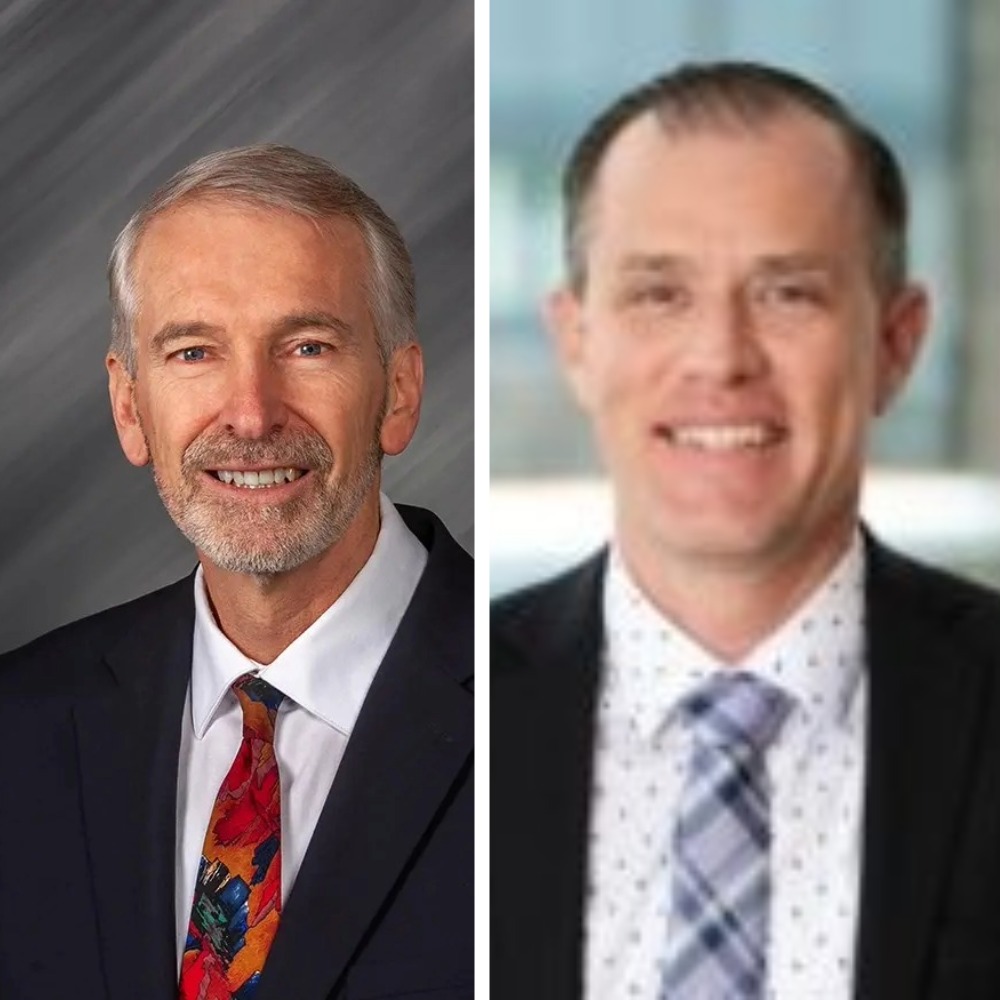
The race for Utah County Clerk has shifted with Doug Courtney recently announcing his departure from the field, the challenge to the incumbent, Aaron Davidson, has narrowed, crystallizing the options for voters this election cycle.
The Clerk’s office has been under intense public scrutiny following a series of administrative missteps over the past few years. When election systems function properly, the office receives little public attention. But when errors occur, the focus inevitably shifts to process, oversight and leadership.
For voters looking for a change in direction, the spotlight now falls squarely on Corey Astill. Bringing a background rooted in high-level federal policy and small business management, Astill offers a vastly different philosophy on how to restore predictability and public trust to the county’s elections and records.
Corey Astill: Process as the goal
Corey Astill was born and raised in West Valley City before spending significant time in Washington, D.C. During his time there, he worked for four U.S. Senators and two committees, eventually serving as Chief of Staff for the Joint Economic Committee and working with the Business Roundtable. After moving back to Utah during the pandemic, he now owns and operates two behavioral health clinics for autistic children. He is also deeply involved in the Utah County GOP, serving as a District 51 Legislative Chair and delegate, and co-hosting a podcast with State Senator Todd Weiler.
Astill views the Clerk’s office not as a policy-making body, but as a management-intensive service provider. He believes the office has drifted away from its core purpose: securing the ballot quickly, efficiently, and accurately.
His critiques of the current administration focus on a failure to execute the fundamentals:
● Unnecessary requirements: The Clerk’s request for the last four digits of a voter’s SSN when there was no place on the ballot for it. Astill argues it isn’t the Clerk’s role to add additional requirements.
● Voter confusion: Inaccurate instructions regarding postage and stamps that created a disincentive to vote.
● Transparency: He argues that “the process is the goal.” If the process is predictable, transparent, and accessible, public trust follows naturally and neutralizes disinformation. Engaging in broader national debates simply takes the eye off the ball.
Astill is a firm advocate for local control, arguing that the Utah Legislature should handle broad policy questions while the Clerk focuses strictly on local execution. He believes elections must be run locally to avoid a “single point of failure” at the federal level.
His first priority upon taking office would be restoring “competent management” and updating the office’s technology to be more digitally focused. While he acknowledges the incumbent is a “good person,” he contends that the county has simply “taken its eye off the ball” and needs a leader who treats the election process with professional rigor.
Books Astill said he has recently read or is currently reading:
● “The Anxious Generation” by Jonathan Haidt
With the field narrowed, the Clerk’s race now centers on a clear head-to-head contrast within the Republican party. Voters and delegates must decide whether they want to maintain the current administration’s trajectory or shift to Astill’s process-driven management style. His pitch relies on the idea that high-level legislative and business experience can bring much-needed discipline to an office that oversees the very bedrock of local democracy.
Because both candidates are running as Republicans, this race will not wait until November. The candidates will first compete for the support of delegates at the upcoming Utah County GOP Convention. Depending on those results — and potential signature-gathering efforts — they may then face off in a June primary. Ultimately, Republican voters will be the ones to determine whether a return to administrative “basics” is the best path to restoring the integrity of the Clerk’s office.
Incumbent Aaron Davidson declined the invitation for an interview.
John Mulholland | American Fork Citizen
The Utah County Auditor’s Office is administrative, not legislative. It does not set policy or determine tax rates. Its responsibilities include certifying tax rates, extending levies, overseeing aspects of the budgeting process, reconciling financial records, and maintaining internal controls.
When systems function properly, the office receives little public attention. When errors occur, the focus shifts to process and oversight.
Earlier this year, Utah County acknowledged a certified tax rate error affecting Provo taxpayers and the Provo City School District. Separately, a joint resolution between Provo City School District and Alpine School District identified parcels located within Provo city limits that had been assigned to Alpine School District for taxation purposes and sought to correct that boundary alignment.
Those matters are distinct, but both involve tax administration and internal controls.
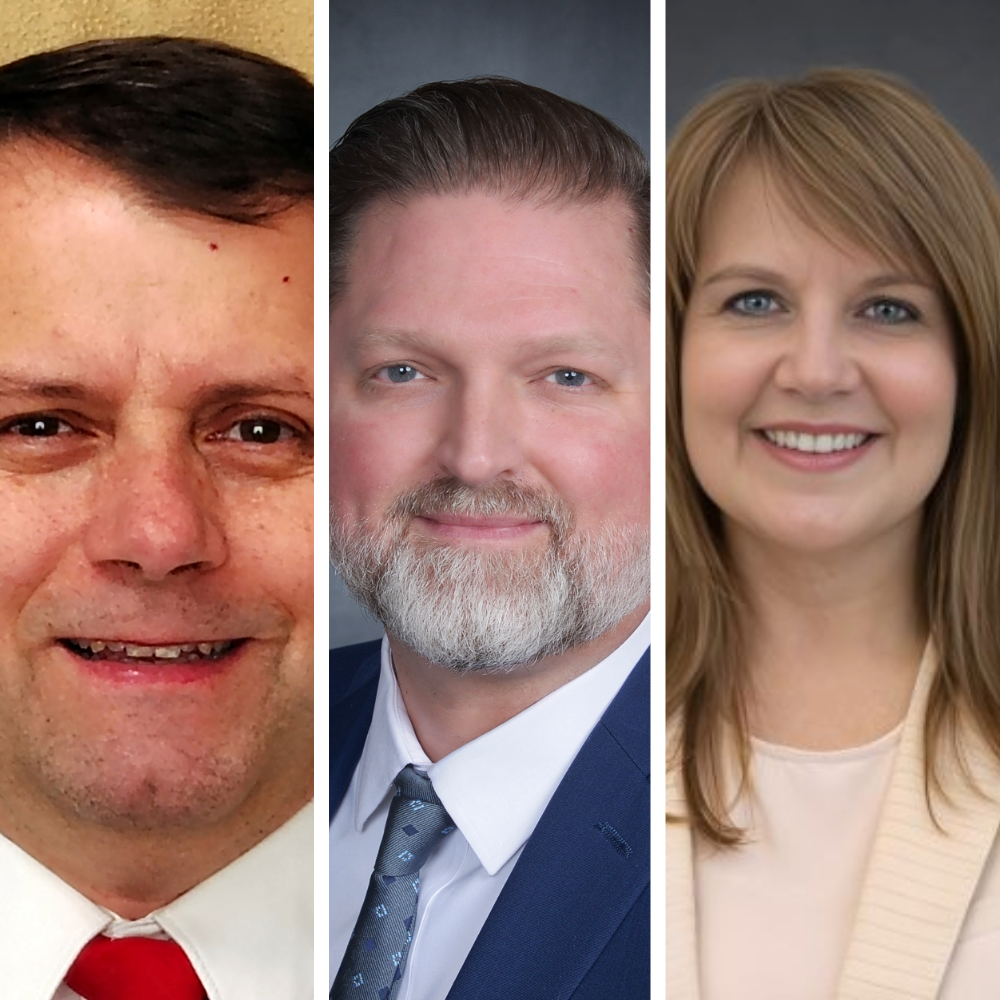
Three Republican candidates are seeking a spot on the general election ballot: Tad Rasmussen, Gina Tanner, and Travis Hoban. Each presents a different interpretation of what the office should prioritize and how broadly the auditor’s role should extend.
Tad Rasmussen: Procurement Reform and Internal Process Changes
Tad Rasmussen has worked in county government for more than two decades. He argues that long-term institutional experience has given him insight into areas where internal processes can be improved.
Rasmussen focuses heavily on procurement. He stated that in early 2024, procurement thresholds for requiring bids were raised. He expressed concern that the current structure does not allow vendor selection on an open, transparent platform. He believes the County should consistently rely on a centralized electronic bidding platform with minimum posting requirements to ensure vendors have a fair opportunity to compete to save the County money.
A new procurement system involving an outside party is expected to go live this fall. Rasmussen believes policy adjustments, combined with completion of the county’s ERP (enterprise resource planning) system, can increase transparency and reduce the risk of workarounds.
On financial systems, Rasmussen agrees that reliance on spreadsheets can introduce risk. He supports moving processes fully into the ERP system and, where appropriate, using automation, including limited AI tools. He emphasized that AI output must be verified and that internal quality control remains essential.
Rasmussen also raised questions about organizational layering within certain areas of county government, suggesting some departments may be “top-heavy.” That assessment would require examination of staffing data to confirm.
He stated that the auditor’s office does not currently require a conflict-of-interest disclosure specific to the office and said he would implement one under his authority if elected.
Books Rasmussen said he has recently read or is currently reading:
- Persuasion, the art of getting what you want — David Lakhani
- QBQ! The Question Behind the Question — John G Miller
Gina Tanner: Budget Discipline and Institutional Continuity
Gina Tanner currently serves as Budget Manager in the Auditor’s Office and entered the race after Auditor Rod Mann announced he would not seek reelection.
Tanner holds a master’s degree in accounting and has worked at both department and county levels. Her campaign centers on budgeting discipline and process refinement from within the existing structure.
Tanner highlights her role in transitioning the county toward a target-based budgeting model. Under this approach, commissioners determine service levels, departments receive baseline funding, and additional allocations must be tied to clearly defined services or programs. Departments are expected to identify efficiencies within their own budgets rather than relying on automatic increases.
She noted that budgets do not automatically rise with inflation and emphasized coordination efforts—such as combining departmental mailings—as examples of cost control.
On tax administration, Tanner supports automating tax rate inputs while maintaining human oversight. She acknowledged that past errors have occurred and emphasized strengthening review processes and documentation to prevent recurrence. She stated that many procedures currently exist informally and should be formally documented before further automation expands.
Regarding AI, Tanner described it as a tool to assist with documentation, workflow improvements, and anomaly detection, but stressed that human judgment remains essential.
She characterized the auditor’s office as a resource for both departments and the public, emphasizing clear presentation of financial data and careful analysis before drawing conclusions.
Books Tanner said she has recently read or is currently reading:
- The Speed of Trust — Stephen M. R. Covey
- The Seven Ups of Happiness — Scott Christopher
- The Making of America — Cleon Skousen
Travis Hoban: Expanded Audit Scope and External Perspective
Travis Hoban serves on the Provo City Council and works in the private sector, including experience as a fintech executive. He is a Certified Internal Auditor.
Hoban stated that the county budget has grown significantly in recent years relative to population and inflation growth. He argues that residents are feeling pressure from property taxes and that the auditor’s office should take a more assertive role in evaluating efficiency and internal controls.
While acknowledging that the auditor does not set tax rates or policy, Hoban views the position as one that should proactively identify systemic weaknesses.
In discussing the recent boundary adjustment between Provo City School District and Alpine School District, Hoban stated that certain parcels were mislabeled and that the Auditor collected taxes without sufficient due diligence. He contends that the auditor should conduct periodic reconciliation between school district boundary maps and tax area assignments rather than relying solely on Assessor-provided coding.
Utah law requires the auditor to reconcile financial books and accounts and permits performance audits as deemed necessary. The statute does not expressly mandate GIS-level boundary reconciliation. Hoban’s position reflects a broader interpretation of the internal audit function than what is explicitly required. He believes it falls under the duties of financial audits, as taxes are being collected.
Hoban also connected the boundary issue to the earlier certified tax rate error, describing both as systemic control failures. Public reporting confirms the certified tax rate error occurred; documentation has not established that the boundary alignment issue stemmed from the same operational cause.
He supports accelerating ERP implementation and reducing reliance on spreadsheet-based processes. On AI, he emphasized strong guardrails and evidence-based auditing practices.
Book Hoban said he has recently read or is currently reading:
- How to Retire — Christine Benz
Utah County Republican delegates will determine which candidate will be on the ballot in November. November’s general election winner will interpret the auditor’s role and best safeguard public funds: internal reform and procurement focus, budgeting continuity and documentation, or expanded audit oversight and independent reconciliation practices.
John Mulholland | American Fork Citizen
The race for Utah County Commission Seat B is shaping up to be one of the most crowded and consequential contests this election cycle. With incumbent Brandon Gordon stepping down, a massive field of candidates has emerged to claim the open seat. Because this is a heavily Republican county, the battle for this seat will first be fought at the upcoming GOP convention, with a likely primary to follow.
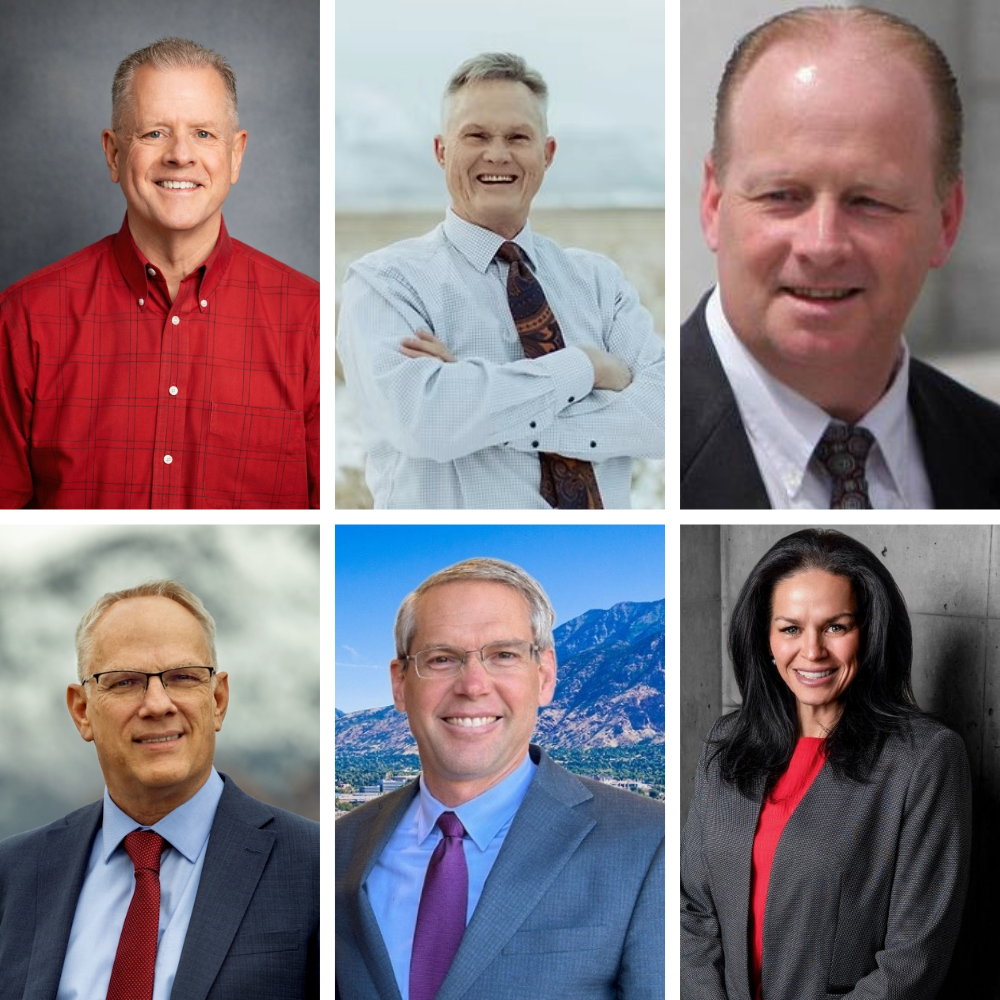
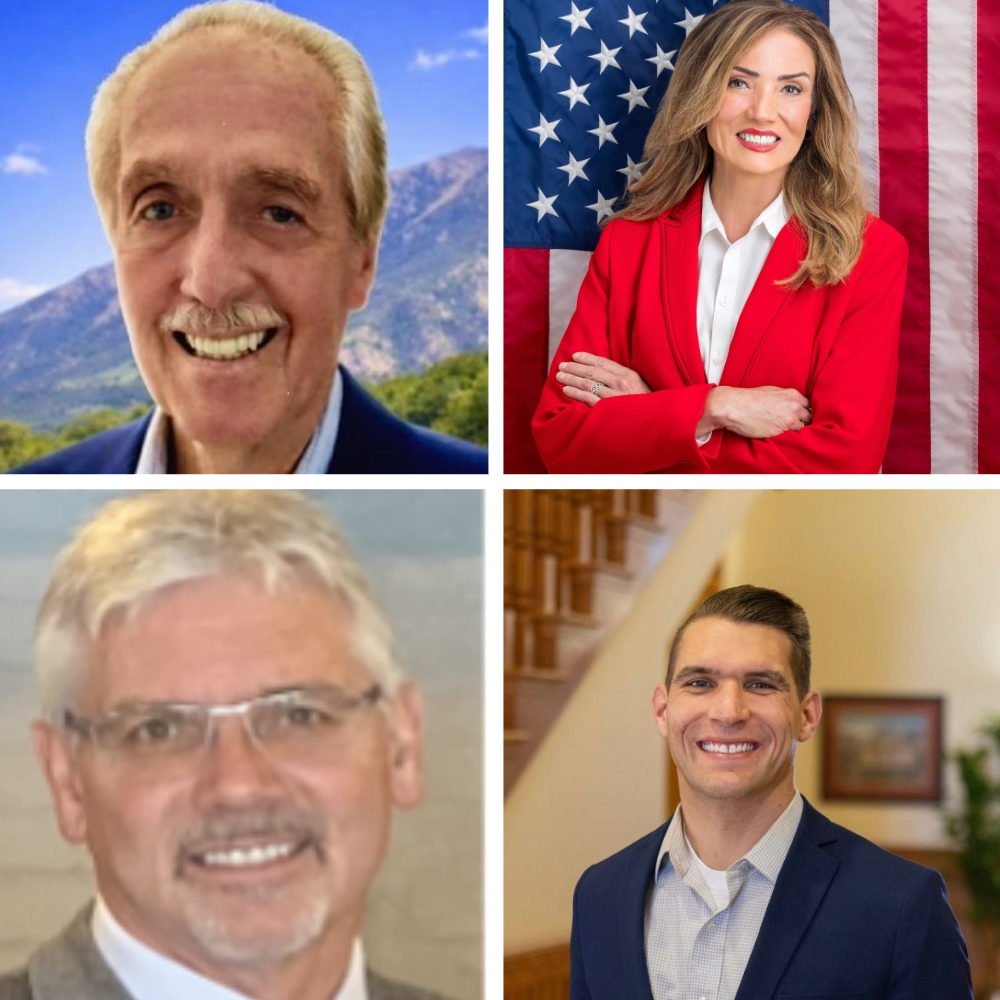
From managing explosive growth and infrastructure to tightening the county’s budget and overseeing public safety, the next commissioner will face a steep learning curve. While several candidates have thrown their hats in the ring, here is an expanded look at six of the prominent contenders who sat down to discuss their platforms and visions for Utah County.
Bill Brimley: The Servant-Hearted Realtor
Background: Realtor (20+ years), Community Leader (Rotary, Business Network International)
Bill Brimley brings over two decades of real estate experience across the Wasatch Front to his campaign. Having weathered the Great Recession by moving to Montana for four years before returning, Brimley has been politically active for years but never sought a title until now. He decided to run because he wants to see a change in how the county operates at a structural level, arguing that if he wants something different, he needs to raise his hand.
Transparency and Spending
Brimley’s primary concern is that while the tax base is increasing, individual property taxes are not getting lower. Owning various properties throughout the state, he feels the sting of rising property taxes firsthand. He advocates for lowering taxes by simply “stopping spending money we don’t have.” He points out that government is both highly complicated and lacking in transparency, making it difficult for everyday citizens to get answers. To fix this, he wants to mandate cameras and recordings for every county meeting.
Navigating Information and Tech
When asked about emerging technologies like artificial intelligence, Brimley is cautious. He prefers to focus first on halting deficit spending and mastering the basics of the budget before investing heavily in new tech integrations.
On the topic of political disinformation, his philosophy is grounded in personal accountability. He aims to “speak his truth” while acknowledging he won’t be right all the time. He prides himself on his ability to own his mistakes, noting that he is not afraid of people disagreeing with him and doesn’t need to always be the smartest person in the room—he just wants to surround himself with good people.
Brimley did not provide a current reading list.
Rod Mann: The Data-Driven Auditor
Background: Current Utah County Auditor, Former Highland Mayor, Former Highland City Council Member
Rod Mann offers a highly technical and data-driven approach to the commission. Married for 45 years with 15 grandchildren, Mann spent much of his career in the tech sector before entering politics in 2008. Having served as Highland Mayor, a City Councilman, and recently the Utah County Auditor, Mann has had a front-row seat to the county’s complex financial mechanics.
Accountability and Forecasting
Mann is deeply focused on proactive problem-solving rather than being a “bomb thrower.” He implemented 5-year forecasts, tracked sales tax revenue with advanced data tools like R, and dramatically improved the transparency of the budget process by adding a blog and public open houses. When a certified tax rate error occurred affecting Provo, Mann emphasizes that his office caught it early, took immediate ownership, and worked directly with the city to provide options and fix it—rather than letting it self-correct over three years. He wants to bring this same methodical preparedness to the commission. He notes the county is back to a positive budget, but warns of massive upcoming expenses, such as the state putting in a new district court that will cost an unplanned $2 million a year, and the Charlie Kirk trial, which has already burned through half of its $500,000 defense budget for 2026 and will likely cost up to $4 million.
Technology and Truth
Mann envisions a tech-forward county government. He advocates for using a “government-friendly” version of AI (like Copilot) for internal communications and auditing checks, leveraging the upcoming Oracle financials update for AI-assisted budgeting, and utilizing AI on the county website to help citizens find answers to their 200+ common questions.
To combat disinformation, Mann relies on raw data. As an example, he noted a time he found a 5% error rate while comparing two sources of county tax rates and built a spreadsheet to fix the data himself. He approaches claims with a healthy dose of skepticism, digging into the numbers and tracing them back to their origins.
Books Mann said he has recently read or is currently reading:
The War Correspondence of Ernie Pyle by Ernie Pyle
The Majesty of Calmness by William George Jordan
Tom Westmoreland: Infrastructure and Revenue Generation
Background: Former Mayor of Eagle Mountain, Publishing Executive
Tom Westmoreland spent eight years managing one of the state’s fastest-growing cities as the Mayor of Eagle Mountain. He believes the hard lessons learned there—particularly regarding massive corporate investments, strained infrastructure, and rapid development—translate directly to the county level.
Power and Revenue
Westmoreland points out that the state is roughly 20 years behind in power generation and transmission. He argues that the influx of major data centers (such as Meta, QTS, Traq, and Google) actually accelerates the solution by forcing infrastructure upgrades and utilizing business models that pay for those improvements. He notes that new data centers in Eagle Mountain don’t use water for cooling, preserving the area’s resources. To combat rising property taxes, Westmoreland wants to support economic plans of cities in order to generate alternative revenue streams. He points to Florida’s robust tourism industry as a model, suggesting the county needs a serious strategic plan to preserve and restore assets like Utah Lake and other recreation areas to draw outside dollars and ease the burden on residents.
Information and Technology
Westmoreland views AI through a strict business lens, arguing the county should use it to automate manual data entry and speed up processes. He also wants to launch a citizens academy for the county, similar to the one he started in Eagle Mountain, to make government less mysterious.
Coming from a background in publishing, he approaches the modern wave of disinformation analytically rather than emotionally. He notes that he can easily recognize “red flags” from the sending side of the media. Grounding his worldview in a spiritual base, he focuses strictly on information that directly impacts and is important to residents, like paying rent and putting food on the table—rather than getting swept up in national noise.
Books Westmoreland said he has recently read or is currently reading:
The Warrior Poet Way by John Lovell
(He also noted he is currently writing a book about the founding fathers)
David Spencer: Fiscal Conservatism and Back to Basics
Background: Former Orem City Council, Private Sector (Import/Export)
David Spencer brings years of Orem City Council experience and a sharp eye for fiscal contraction to the race. He originally entered politics 12 years ago to save a local ball field and has maintained a focus on grassroots community issues and holding the line on government expansion. Working in the import/export sector in Salt Lake City, he often views county issues through the lens of structural balance.
Reversing Commission Spending
Spencer is highly critical of the recent 31% salary increase for commissioners and the expansion of the commission’s staff from 6 to over 18 employees. If elected, he promises to roll back those pay increases, slash the $20,000 travel budgets back down to $10,000, and drive operational costs down across the board. He also questions whether the county is aggressively pursuing grants, noting that Orem secured $15 million in grants during his tenure. He advocates for moving crucial meetings, like MAG, from 2 PM to 6 PM so working citizens can attend, and he strongly believes that tax increases must be put on the ballot for citizens to decide. Spencer is deeply concerned about the sheer pace of growth, warning that the county lacks the water and road infrastructure to sustain it, and strongly supports slowing down development.
Accessibility and Efficiency
To cut through government opacity, he advocates for a “transparency portal” similar to the one he championed in Orem, and wants to develop a “connect app” to better link residents with county services. On technology, he views AI as a valuable tool to drive county efficiency and do more with less, provided its outputs are rigorously checked by humans.
Books Spencer said he has recently read or is currently reading:
Flawless Execution by James D. Murphy
Who Moved My Cheese? by Spencer Johnson
Carolina Herrin: Law Enforcement and Managed Growth
Background: Law Enforcement (AG Taskforce, Highway Patrol, Corrections), Senior Policy Advisor
Carolina Herrin has a deep, 20-year history in Utah County Republican politics, becoming a citizen in 2003 and a delegate by 2006. She brings a lifelong commitment to public safety, with a background that includes undercover work, serving on the Major Crimes Taskforce (handling felonies, drugs, and weapons), and working directly as a Senior Policy Advisor within the county commission under Commissioner Beltran.
Public Safety and Agriculture
Herrin’s top priority is ensuring first responders are fully supported, viewing her campaign as a continuation of her lifelong commitment to protection. She is also a strong advocate for the county’s agricultural roots, pushing for continued partnerships with the Farm Bureau to protect farmland amid rapid development. Regarding that growth, she emphasizes the need for a robust 5, 10, and 15-year plan to address what she calls “catastrophic” transportation needs in North County and “critical” needs in South County. She also points to Utah Lake as a major focal point, noting that federal delegation funds have been secured to help handle issues like the invasive carp population.
Real-World AI and Sourcing Truth
Herrin fully supports the Sheriff’s contract with ICE, emphasizing that Utah is a community of law and order. She also brings highly practical, high-stakes experience utilizing AI in government. At the state prison, AI is used as a tool to monitor 15,000 phone calls, successfully identifying criminal discussions and even stopping an active suicide. She advocates for its careful, transparent use as an administrative enhancement at the county level, ensuring users clearly state when AI was utilized.
When navigating disinformation, Herrin warns against living in a vacuum. She urges voters and leaders to check several different sources, warning that you “can’t just go to FOX or CNN,” and emphasizing the need to represent the entire county by stepping outside of echo chambers.
Books Herrin said she has recently read or is currently reading:
1984 by George Orwell
Tough as They Come by Travis Mills
The Jack Carr Series by Jack Carr
Isaac Paxman: Regional Influence and Deliberation
Background: Former Provo Deputy Mayor, State AG’s Office, DOJ | Website: votepaxman.com (Site pending full launch)
This article was originally published on utelection.info, where you can find more coverage of Utah elections.
Isaac Paxman is a 7th-generation Utah County resident with extensive legal and executive experience. Having spent 5 years with the DOJ in Virginia before returning to Utah, he served as the Deputy Mayor of Provo for eight years, overseeing massive municipal projects and hundreds of employees. He brings a highly deliberate, project-oriented mindset to the race, viewing his run as a way to ensure Utah County remains the best place on the planet to live in twenty years.
The Big Picture
Paxman was instrumental in securing massive funding for the Provo Airport expansion, noting that they far surpassed the fundraising goal. The money has come in from federal, state, and county sources without raising local taxes. He wants to use that same collaborative blueprint to elevate Utah County’s status on the state scene, arguing that other counties currently get a disproportionate share of state tax revenue. He wants Utah County to be the most respected county organization in the state. Rejecting the idea of quick “silver bullet” fixes from outsiders, Paxman describes his executive style as slow and deliberative. He wants to dive deeply into complex issues like truth in taxation, the Utah County Jail’s capacity limits, and the ecological rehabilitation of Utah Lake (specifically targeting phragmites and carp), prioritizing long-term stability over short-term political points.
Deliberative Leadership and Modernization
Paxman is a “huge fan of government efficiency” and believes the county has so much to gain from technology that it simply cannot be ignored. He wants the county to start experimenting with AI, studying best practices to streamline operations.
When it comes to cutting through disinformation, Paxman leans heavily on legal transparency and patience. Acknowledging that “nobody knows” the full story immediately, he is a strong proponent of GRAMA (public records) requests to find the ground truth, preferring slow, deliberative fact-finding over fast, reactive answers.
Books Paxman said he has recently read or is currently reading:
And There Was Light by Jon Meacham
Team of Rivals by Doris Kearns Goodwin
Endurance by Alfred Lansing
As of the time of publishing, Truman Van Cott did not respond for an interview.
John Mulholland | American Fork Citizen
The race for Utah County Commission Seat A is wide open following the announcement that incumbent Amelia Powers Gardner will not seek reelection. With the county facing unprecedented growth, the commission—which acts as both the legislative and executive arm of the county—will be tasked with managing infrastructure, housing affordability, and the ongoing modernization of county services.
The field of candidates ranges from seasoned municipal leaders to private-sector challengers, each offering a distinct vision for how the county should be managed. Here is an expanded look at where the frontrunners stand on the budget, growth, and navigating the modern information landscape.
Michelle Kaufusi: Executive Experience and Growth Management
Background: Former Mayor of Provo, Former Provo School Board
Michelle Kaufusi brings 15 years of public service to her campaign. After serving two terms as the Mayor of Provo, she narrowly lost a highly publicized reelection bid and was subsequently asked to run for the county commission to bring her municipal executive background to the regional level. Born and raised in Provo as one of seven children to a single working mother, Kaufusi attributes her strong work ethic to her early years, noting her mother’s reliance on hard work over government assistance. Her ultimate goal is to foster a county robust enough that all seven of her grandchildren choose to stay in Utah County.
High-Level Service, Low Tax Burden
Kaufusi’s pitch to the county relies heavily on her executive track record. During her eight years as mayor, she points out that she balanced the budget every year without recommending a tax increase. Having served as president of the Mountainland Association of Governments (MAG), Kaufusi stresses proactive planning. Her philosophy on the county’s rapid expansion is blunt: “If you don’t get out ahead of it, it will roll you over.” She emphasizes the heavy burden of unfunded mandates from the state and federal government, pointing to the high costs of staffing health workers in the county jail.
Regarding ICE, Kaufusi said “Utah County is where I need to stay focused.” Noting she is married to an immigrant, and that she deliberately did not sign a contract for ICE to operate in Provo after consulting with Utah County Sheriff Mike Smith.
Technology and the Information Landscape
When it comes to the county’s budget, Kaufusi notes that every single dollar counts—pointing out that even a simple quarter-sheet mailer to the whole county costs $15,000. Because of this strict financial view, she is open to utilizing AI to drive efficiency. She considers herself a straight shooter willing to do hard things, acknowledging that fully implementing AI may require making tough staffing cuts if it serves the county’s best financial interests.
To combat political disinformation, Kaufusi takes a highly disciplined approach to her media consumption. She avoids television news, calling it “horrible,” and is not a fan of Facebook, noting her sister manages her social media logins. Instead, she prefers to spend her professional networking time on LinkedIn, focusing on relationship-building over digital noise.
Books Kaufusi said she has recently read or is currently reading:
- 1776 by David McCullough
- Let Them by Mel Robbins
- The Nightingale by Kristin Hannah
- Listen for the Lie by Amy Tintera
- Morning on Horseback by David McCullough
- The Correspondent by Virginia Evans
Brent Bowles: Fiscal Contraction and County Oversight
Background: Retired Firefighter, CRNA, Former HOA President
Brent Bowles enters the race with a diverse professional background spanning three careers: 23 years full-time with the Sandy Fire Department, a master’s degree and an 18-year career as an independent Certified Registered Nurse Anesthetist (CRNA), and nine years as an HOA president where he brought his community out of debt without raising dues.
The Focus: Government Contraction
Bowles is deeply concerned with the current trajectory of county spending and compensation. He points specifically to recent salary increases for commissioners—rising from $111,000 to $168,000, and nearing $230,000 with benefits—as evidence of a system lacking oversight.
- Commission Restructuring: Bowles questions the necessity of the current three-commissioner, full-time system. He advocates for moving to a five-member, part-time commission, which he estimates would cut costs by $250,000. He also questions the necessity of a recently hired county administrator.
- Shrinking Jurisdiction, Growing Staff: He points out a structural paradox in the county’s budget: the county has hired over 20 new employees recently, even as the actual footprint of unincorporated Utah County shrinks due to city annexations.
- Challenging the State: Bowles is a strong critic of public sector compensation, citing that state and federal employees make 26% more than the private sector. He wants the county to challenge the state retirement system, allowing employees to control their own retirement funds.
Automation and Information
When evaluating new technologies like Artificial Intelligence, Bowles is highly skeptical, ultimately concluding that the risks will likely outweigh the benefits. He warns against relying so heavily on AI that society forgets its capacity to present misleading information, noting that the systems themselves admit they can deceive users or conceal inaccuracies.
He is also deeply concerned about AI’s impact on the job market and the technology sector. Pointing to the massive $15 billion Micron semiconductor facility being built in Boise, Idaho, Bowles notes that despite regional projections of 3,000 to 5,000 new jobs, the heavy reliance on robotics means actual job creation could be under 1,000, with human positions relegated mostly to maintaining robotic equipment.
For every policy decision, Bowles relies on a strict five-point matrix: Is it morally right? Ethically right? Fiscally sound? Good for all? Constitutionally sound?
Books Bowles said he has recently read or is currently reading:
Rather than traditional books, Bowles focuses his reading on medical journals to stay current in his profession. He also spends significant time analyzing legislative bills, carefully parsing through convoluted legal language to determine the true impact of the policies lawmakers are debating.
Larry W. Evans: The Ground-Level Perspective
Background: Deputy Sheriff, UVU Adjunct Professor
Larry W. Evans brings a lengthy career in law enforcement to his campaign. At 73, he has spent 15 years working for the county, currently serving as a deputy for the Utah County Sheriff’s Office and as an adjunct professor of Criminal Justice at Utah Valley University. Having lived in Utah County since he was eight years old, he holds a bachelor’s degree from BYU and a master’s from Weber State University.
Right-Sizing and Restructuring
Evans is running to address what he sees as “fat and waste” at the upper levels of county government. While he praises the efficiency of the “ground-level” workers, he argues that the top of the organizational chart needs a thorough audit. Like Bowles, Evans is a strong proponent of overhauling the commission itself. He wants to abandon the current three-member, at-large system in favor of a five-member commission (three regional seats and two at-large seats) to better represent the diverse needs across the county. Positioning himself as the anti-career politician, he is pledging to serve only one term (“one and done”). He has been highly critical of current commissioners, citing instances of them being on their phones and not paying attention during public meetings.
On immigration, Evans takes a nuanced approach. While he believes national immigration policy needs to change and notes that “marching orders come from Washington,” he refuses to blame the hardworking immigrants who have taken advantage of the system, noting he grew up working alongside them. He insists the county must enforce the laws legally while setting a positive example.
Modernization and Decorum
Regarding the modernization of the county, Evans is cautious about artificial intelligence. He sees massive potential for streamlining administrative processes but warns of the potential for abuse. He emphasizes that personal contact remains vital in local government and explicitly states that he does not want technology to replace human workers.
On the subject of disinformation, Evans believes that the best defense is personal accessibility. He argues that politicians cannot totally protect themselves from bad information online, but by remaining physically available to constituents, they can cut through the noise. He stresses that the country is in desperate need of a return to civility and decorum.
Books Evans said he has recently read or is currently reading:
- The Greatest Generation by Tom Brokaw
- It’s Not About the Bike by Lance Armstrong
- Talking to Strangers by Malcolm Gladwell
Taylor Fox: The Forward-Looking Planner
Background: BYU Marketing Director, Social Entrepreneur
Taylor Fox represents a younger demographic in the race. A father of three who has lived in Utah County for the last decade, Fox graduated from UVU in 2019 with a degree in Digital Marketing and a minor in Entrepreneurship. His private-sector background spans sales and HR for Amazon, and he currently works as a Marketing Coordinator and Director at BYU. He views this election as a pivotal moment to solve the core of the county’s problems rather than relying on unsustainable NGO or government band-aids.
Growth, Families, and Enforcement
Fox believes the county must get ahead of the 10-year growth curve, pointing specifically to the explosive, high-density growth happening in the west and south. He wants to work proactively with cities like Santaquin and Payson to prepare their infrastructure. Fox is pushing for greater transparency regarding rising taxes. He wants a strict review of where funds are going, particularly concerning the rapidly growing costs of public safety, jail overtime, health department funding stability, and inter-agency allocations.
Fox takes a hardline stance on border enforcement. He is highly critical of “open borders” and defends ICE agents, arguing they are unfairly “attacked and demonized.” He pledges to work collaboratively with them to find and deport those breaking the law, warning that Utah County “won’t stay safe forever” unless it aggressively networks with cities to prevent crime.
Data Privacy and Multiple Sources
When it comes to AI, Fox is deeply skeptical of current government rollouts. He notes that tools like Microsoft Copilot have been deployed but are underutilized, and he raises major data privacy concerns about turning county data over to these systems without proper safeguards. He questions whether the county is truly ready to rely on AI recommendations.
To combat disinformation, Fox leans on his marketing and entrepreneurial background. His advice to voters is to never rely on a single headline. He urges residents to use multiple sources, avoid rushing to judgment, and most importantly, get out and talk to “living people” to find the truth of a matter.
Books Fox said he has recently read or is currently reading:
- How Will You Measure Your Life? by Clayton M. Christensen
- Extreme Ownership by Jocko Willink and Leif Babin
- Rich Dad Poor Dad by Robert T. Kiyosaki
- The 7 Habits of Highly Effective People by Stephen R. Covey
As of the time of publishing, Christopher Forbush, Nate Hepler, Renee Tribe and Richard Smith did not respond for an interview.
This article was originally published on utelection.info, where you can find more coverage of Utah elections.
Rob Shelton | American Fork Citizen
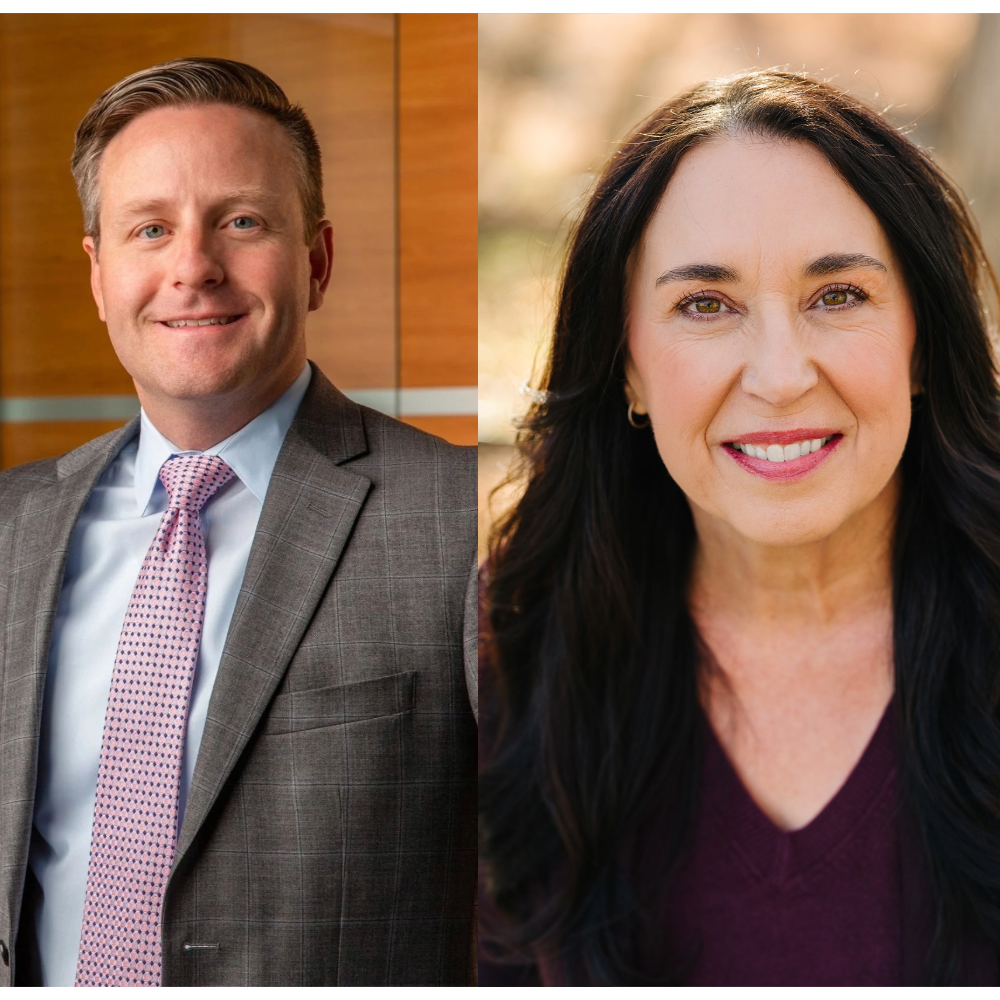
Two Republicans are competing for the right to represent Senate District 21, and voters will get their first real say April 18 at the Utah County Republican Convention — where delegates will choose between Cedar Hills City Council member Kelly Smith and incumbent Sen. Brady Brammer of Highland.
The seat covers a fast-growing stretch of northern Utah County, including American Fork, Lehi, and surrounding communities. Former candidate Seth Stewart, who had originally filed to run for the seat, withdrew to pursue a federal congressional office, clearing the field for a two-person contest.
Both candidates sat down to be interviewed earlier this month. Their answers covered everything from roads and water to school district funding and the future of Utah Lake, and the contrasts between them are sharp enough to matter.
Background and motivation
Smith makes the case that the school district needs something different, not just results, but a different kind of relationship between legislators and the cities they represent.
“I’ve noticed some places where I feel like we could improve on collaborating and cooperating a little more,” Smith said. She’s halfway through her second term on the Cedar Hills City Council and argues her experience at the local level gives her a perspective that Brammer simply hasn’t brought to the table. “I think this race needed a really competitive race to talk about the issues.”
Brammer isn’t running from his record, he’s running on it.
“A lot of people run from their records. I embrace my record,” he said. Brammer, an attorney with a master’s in public administration, has served six years in the Utah House before moving to the Senate to fill the remainder of former Sen. Mike Kennedy’s term when Kennedy won a congressional seat. Brammer rattled off a list of accomplishments: tax cuts every one of the last six years, $1.5 billion in new road funding he helped secure for the county, and what he describes as major improvements to Utah Lake.
Water and infrastructure
Utah’s legislative auditor has ranked water needs and infrastructure as the state’s top two vulnerabilities — and both candidates know it. Lehi and American Fork alone are absorbing tens of thousands of new residents, and the pressure on existing systems isn’t letting up.
Smith framed the issue around coordination. She wants the state to come to cities first, ask what they need and then invest accordingly — rather than hand down mandates and leave cities scrambling to catch up. “We’re chasing the infrastructure,” she said. “We’ve got to be able to give them water.”
Brammer pointed to Utah’s strong foundation of reservoirs and water banking programs, and said current cities are well-managed enough to have a longer runway than many assume. But he also called for reducing the water footprint per residential unit. “Point two eight is more than enough,” he said, referring to acre-feet per new unit — well below the current standard in many developments.
Roads and east-west relief
Ask any resident in American Fork or Lehi about traffic, and you’ll hear about the same problem: getting east to west is a nightmare, and the Pony Express Parkway extension that’s supposed to help is still years away from meaningful completion.
Smith acknowledged that some projects are in the pipeline — the vineyard connector into American Fork among them — but said each new road creates the next set of problems. Her pitch is for a united, coordinated push from local legislators and city leaders to direct state resources toward the growth where it’s actually happening. “If the growth is going to be here,” she said, “then the state has to help us manage that growth better.”
Brammer said voters should give that frustration some time horizon. “What’s happening today is what was typically done five years ago,” he said. He claims some credit for helping secure $1.5 billion in road funding that begins hitting the county around 2028 and 2029, and pointed to flex-lane work already underway on the road to Saratoga Springs and Eagle Mountain as a near-term band-aid.
Housing and local control
The state’s high-density housing mandates ignited a political firestorm in Lehi’s municipal elections last year. Both candidates have reservations about the state’s approach — but for somewhat different reasons.
Smith called for more creative financing and incentive tools. She pointed to rural housing loans her own children used years ago to buy into Eagle Mountain when it was still considered remote. Those options are drying up, she said, even as the housing problem worsens. She also pushed back on the governor’s framing that cities just aren’t building enough. “We’ve got the supply that we need,” she said. “But we’ve got to be able to get people where they go.”
Brammer said there’s no such thing as a truly affordable new home. The real solution, he argued, is pushing infrastructure ahead of growth — building roads and utilities toward where development will be, not reacting after the fact. “Our biggest housing wins have been Eagle Mountain, Saratoga Springs and Herriman, but our biggest infrastructure problems… are those same three cities,” he noted.
On the broader question of state authority versus local control, both candidates said the answer starts with communication — though they described the current state of that relationship differently. Smith said the collaboration has been uneven and that she’d push for legislators to work more like partners with cities rather than handing down solutions from the Capitol. Brammer said he’s on text threads with his mayors and meets with city councils before and after every legislative session.
Aspen Peak School District
The launch of the Aspen Peak School District — splitting from Alpine School District to serve American Fork, Lehi, Highland and surrounding areas — is the biggest educational change this area has seen in decades.
Smith wants legislators who actually understand education from the inside. She argued that large budget numbers create an illusion of investment that doesn’t always translate to classroom reality. “We need to make sure that we get funding without mandates,” she said, “so that the district can push that to the programs that they know are most meaningful to their parents and students.”
Brammer said the early signs are positive. The new board has hired a superintendent and business manager, and he called the hires solid. Still, he tried and failed this session to get state money for the one-time costs associated with the split. “I’d like to see some one-time costs based on a per pupil” formula supported by the state, he said. He believes this split was handled better than past district divorces, pointing to the dispute resolution processes built into the process from the beginning.
Energy and Utah Lake
Texas Instruments’ $11 billion chip fabrication expansion in Lehi, combined with Silicon Slopes’ appetite for data centers, is putting new pressure on the state’s energy grid. Both candidates want Utah to be an energy leader — though they don’t agree on how cautiously to proceed.
Smith took a measured line. She said she wants to keep all options on the table but warned against moving so fast to attract data centers that residents pay the price in higher utility bills or reduced water supply. “We should be very transparent about what that drag will be,” she said.
Brammer’s answer was considerably more specific. “We want to be the leader in energy exports,” he said, running through a list that included nuclear, geothermal, coal and natural gas. He noted Utah recently received a nuclear facility on a military installation and is pursuing regulatory authority for modular nuclear reactors. “We’re the number one state in America on geothermal,” he added.
On Utah Lake, the two candidates offered competing versions of history. Smith, who served on the Utah Lake Commission before it was disbanded, said Brammer — then a representative — deliberately selected only cities that aligned with his vision for the lake and codified that list in statute, making it impossible for another legislator to simply add American Fork back without a formal amendment. “I strongly disagree with that,” she said.
Brammer told a different story. He said American Fork was left off the Utah Lake Authority Board initially because the city was vocally opposed to the authority’s formation, and that the path back to a seat runs through the Council of Governments, where mayors can lobby for a change without any legislative action required. “They just need to talk to other mayors,” he said.
Education funding gap
State Board of Education member Cindy Davis told attendees at a recent Pancakes and Politics forum in American Fork that Utah County has more students per taxpayer than any other region in the state, leaving local students with less per-pupil funding despite equalization formulas.
Smith called Davis’s assessment accurate and said it’s one reason the school district split happened in the first place — people wanted better, closer representation of their schools. She said more investment needs to flow to districts with genuine flexibility on how to spend it.
Brammer accepted the premise partially. He acknowledged the property tax dynamic but said about two-thirds of school funding comes from the state’s income tax fund, which is distributed based on enrollment — not property values. “The most valuable thing to a school district right now is a student,” he said, noting that education funding has doubled statewide since 2015, while inflation over the same period ran about 38%.
What’s at stake on April 18
Utah County Republican delegates will choose between these two candidates at the April 18 convention. Smith argued the competition itself is valuable — something increasingly rare in Utah legislative races.
“A lot of our legislators are running unopposed,” she said. “I don’t think that gets us to good policy.” She urged voters to get involved and push past their comfort zones. “We need to go out of our comfort zone a little bit if we want to see different things happening in our community.”
Brammer made a straightforward closing argument: he knows the job, he knows the people and he’s already delivering. “I know all of our mayors. I know the city council members. I work with them,” he said. “This is one where it’s a collaborative effort, and I’m one part of an important group of people that are trying to make our area better.”
Staff Writer | American Fork Citizen
As part of our commitment to keeping voters informed, the American Fork Citizen invited candidates in contested Republican races appearing at upcoming county conventions to participate in a candidate profile by responding to the same three questions.
Here are the questions candidates were asked:
Why are you running for public office?
What are your top priorities if elected?
What separates you from other candidates?
By asking identical questions, we aimed to provide voters with a clear, consistent way to compare each candidate’s priorities, experience, and vision for our community. The profiles below include responses received by our publication deadline. Incumbent candidate Brady Brammer did not provide a response prior to the print deadline.
If any of these convention races advance to a primary election, additional coverage will be published during the primary cycle, May through June. Contested races for the general election will be covered September through October.
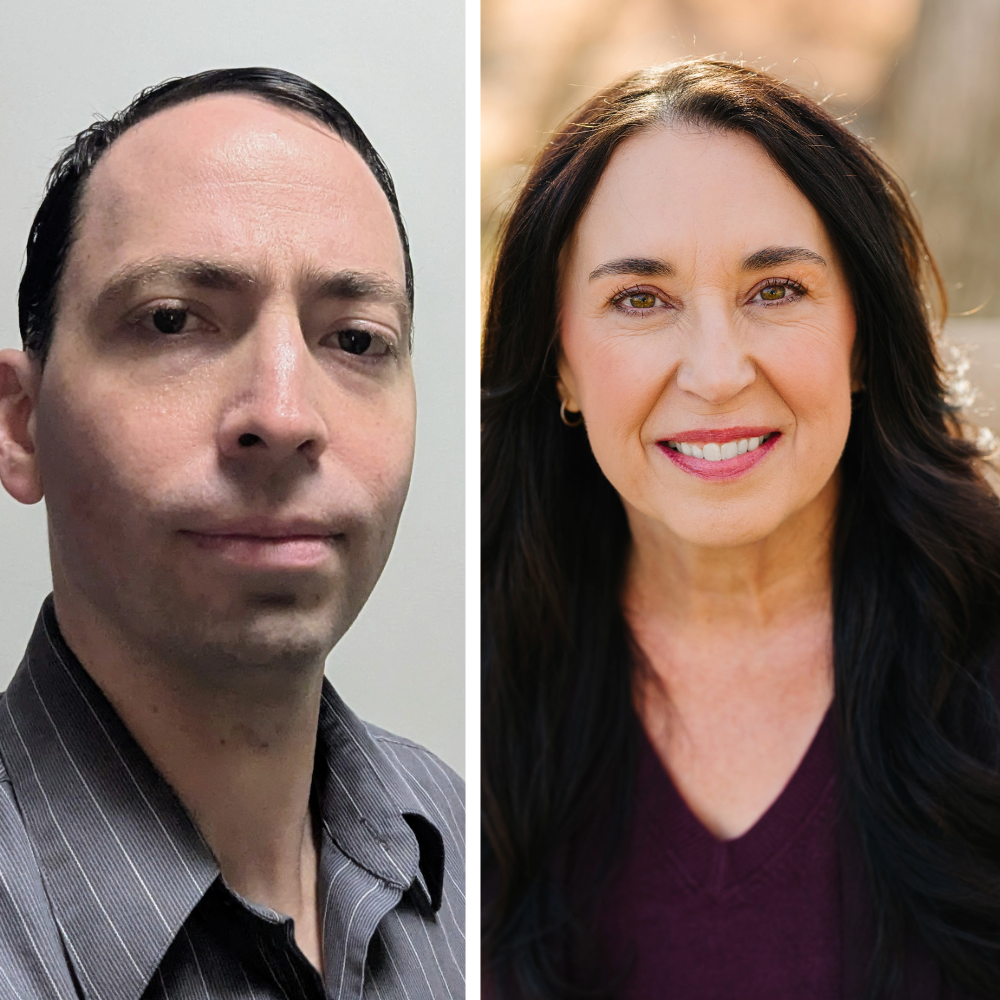
Kelly Smith
I chose to run for the Senate because I believe the relationship between state legislators and local governments should be collaborative and cooperative.
Now in my second term on the Cedar Hills City Council, I’ve seen firsthand how often the legislature imposes one-size-fits-all solutions that overwhelm communities and weaken local control. That experience has been frustrating — and it’s an area we can easily improve.
My top priority is to build on the strong relationships I have with local elected leaders, community groups, and residents so we can work as partners. I want policies shaped by the people they affect.
I will focus on the real issues facing our families: housing affordability, transportation, and education. My goal is to represent our community’s interests — not special interests or personal agendas. Legislation is a tool, not a weapon, and new laws should improve our quality of life, not make it more difficult.
My experience as a city council member, longtime community volunteer, former public school teacher, and small business owner gives me a practical understanding of how policies affect families and local governments.
I’ve worked directly with residents, educators, and local leaders to solve problems, balance budgets, and plan responsibly for growth. That background has taught me to listen first, communicate clearly, and be proactive and responsive.
I will bring a community first, conservative, solutions-oriented approach to the legislature.
I’m a mother of four and grandmother of seven. I’m a lifelong Republican and have served as a delegate and precinct chair.
My husband and I bought our first home in American Fork in 1992 where we raised our children for 22 years before moving to Cedar Hills in 2014. I taught kindergarten and second grade in Lehi for ASD and have served on numerous community boards and as a local and council PTA president.
Seth Stewart
Our government is expanding rapidly beyond its enumerated powers, often through programs that promise to lower the cost of living but consistently accomplish the opposite. Popular sovereignty requires people to stand in the way of overreach and hold government to its short list of enumerated powers, rather than allowing families and property to become pawns in a centralized plan. The state is reducing freedom in many forms. It increasingly mirrors federal overreach in the name of federalism. Cleverness is often mistaken for conservatism. We need discernment to recognize long-term consequences before it is too late.
Religious freedom, property rights, defendant rights including jury trials, and stopping further expansion of power are my highest priorities. Returning to Article I, Section 10 currency would end inflation permanently. I have made legislative proposals that would save Utahans thousands of dollars annually and resolve our most contentious electoral issues in a completely fair manner.
I encourage everyone to study the Constitution and compare it to what we see today. I review nearly 50 bills a day during the legislative session and publish my findings at SethAndrewStewart.com. I have testified against dozens of harmful bills and proposed solutions that return to long-forgotten constitutional principles. I appealed to the United States Supreme Court to uphold a defendant’s right to a jury trial when our state refused. I have seen how Utah families are harmed by our regulations and courts, and how legislative policy enables those outcomes. My role is to safeguard against radicalization and overreach.
I am a married father of six precious children. We have lived in American Fork for seven years since I graduated from BYU with an MS in computer science. My children’s future means everything to me. This requires us to stand in the way of injustice by learning and defending true principles. If we do not choose the future for our children, someone else will. I ask for your help in this most important effort.
Staff Writer | American Fork Citizen
As part of our commitment to keeping voters informed, the American Fork Citizen invited candidates in contested Republican races appearing at the upcoming county convention to participate in a candidate profile by responding to the same three questions.
By asking identical questions, we aim to provide voters with a clear and consistent way to compare each candidate’s priorities, experience, and vision for our community.
Here are the questions candidates were asked:
Why are you running for public office?
What are your top priorities if elected?
What separates you from other candidates?
If any of these convention races advance to a primary election, we will provide additional coverage during the primary cycle, May through June. Contested races for the general election will be covered in the September through October timeframe.
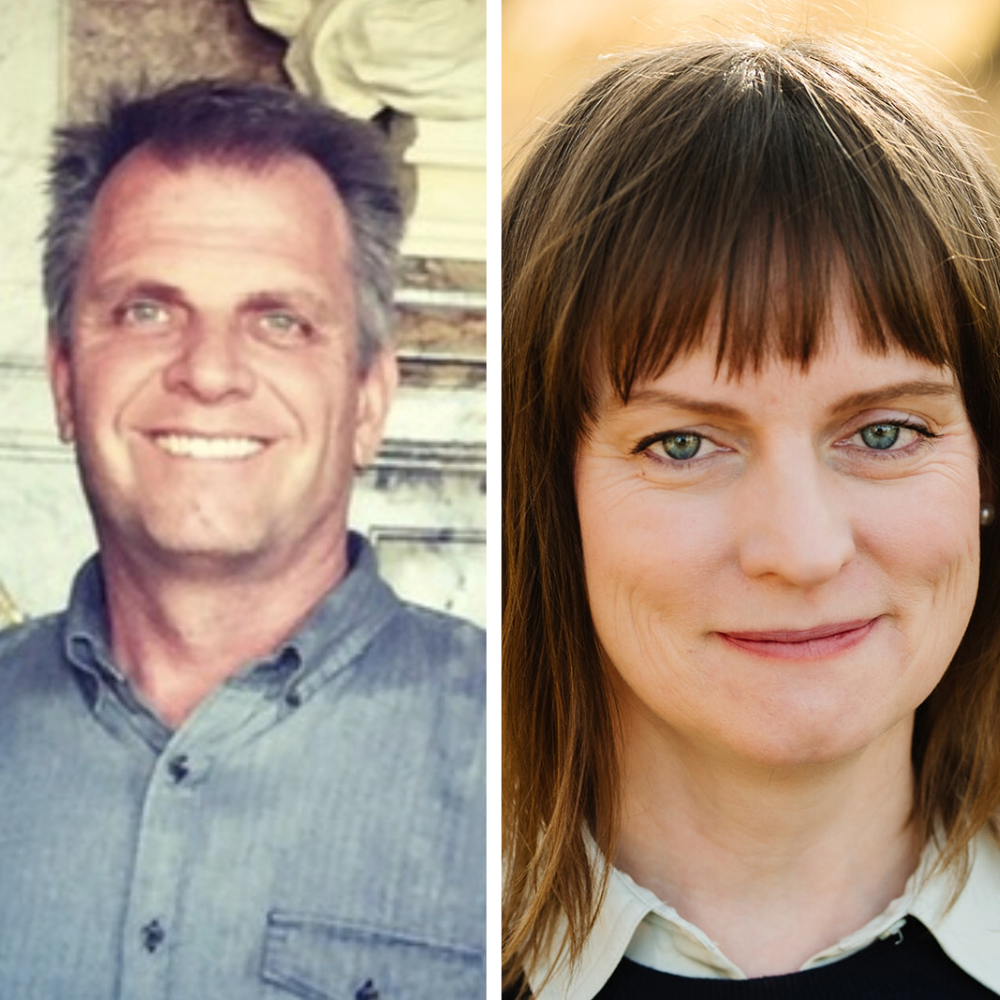
Tracy Nuttall
I’m running for state school board because I believe that when families and the public education system work together, we unleash an amazing potential for good in our society. As a state school board member, I’ll focus on the following priorities to help our district realize that potential:
Leading and supporting our area through the Alpine School District split so our students and educators come out stronger. Throughout this transition, I’ll use my legislative experience to advocate for our district’s evolving needs both on the state board and with the Legislature.
Advocating for local control to ensure students are the focus in the classroom. Those who are closest to students best address their needs—empowering parents, teachers, and administrators is the best way to ensure the individual needs of each student are met.
Ensuring responsible use of taxpayer money in education funding. Taxpayer money should be used wisely and efficiently.
I already have the skills and experience to represent our community at the state level. As a mom of kids in public school in Alpine, I bring personal, current experience of our schools and school district. I have also worked as an attorney for the Utah Legislature where I represented legislators and drafted public education bills that were ultimately implemented by the State Board of Education. Later, I worked as a contract attorney for USBE, ensuring better access to public education laws for districts and charter schools. Under my leadership, our district won’t get lost because of a learning curve.
I am a mom of three kids in public school—currently in elementary, middle, and high school. I’ve served on our elementary school’s PTA board and several times on our school community council. I graduated from BYU Law School in 2010 and since then I’ve worked as associate general counsel for the Utah Legislature and as a contract attorney for the Utah State Board of Education. I live in Alpine with my husband and kids.
Terry L. Hutchinson
I was on the Washington County School Board from 2016-2024. The Utah State School Board didn’t do enough to support our community values and didn’t allow for options that worked for us. The State School Board also doesn’t properly prioritize parents’ rights regarding the education of their children, and they often go against the majority of voters in the State. I totally support public education and the educators, but a parents’ right to make decisions regarding their children is fundamental. If elected, my goals are: To empower local school boards to align with their communities; and to protect parent rights and improve student safety. By doing so, student learning and well-being will improve. I also want to ensure that the USBE reflects the educational values of the State of Utah and protect our future.
I’m an attorney with decades of experience in two states. I ask the hard questions and get answers. During my 8 years as a local Board member, our Board built several schools (due to rapid growth) without raising taxes, changed our building process to pay-as-you-go (saving tens of millions of dollars per year in interest); worked with the administrative system (improving its accountability to the community and increasing the quality of its new hires); protected parents’ rights and led the fight in Utah to remove inappropriate materials from our school libraries. I also responded to all my constituents and their issues.
My wife and I both grew up in Alpine and graduated from American Fork High. We have five children and nine grandchildren. I served in the Army and practiced law in Utah and Nevada for more than three decades. I have served on the Washington County Library Board for eight years and was elected twice to the Washington County School Board before returning to Alpine, where our parents still live.
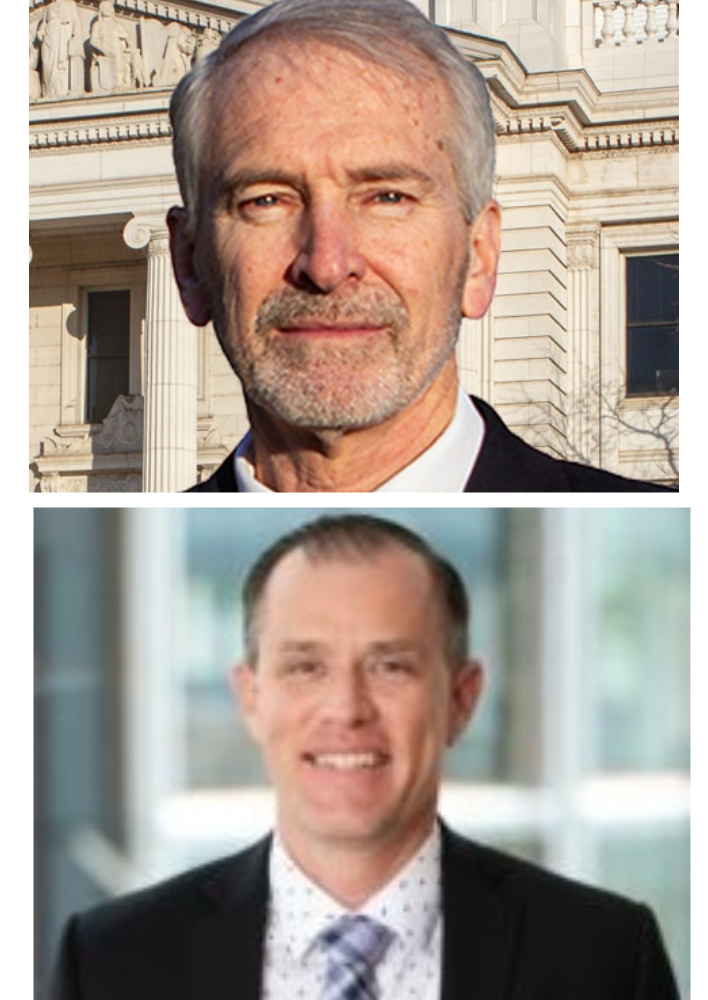
Staff Writer | American Fork Citizen
As part of our commitment to keeping, the American Fork Citizen and Lehi Free Press invited candidates in contested Republican races appearing at the upcoming county convention to participate in a candidate profile by responding to the same three questions.
By asking identical questions, we aim to provide voters with a clear and consistent way to compare each candidate’s priorities, experience, and vision for our community. The profiles below include the responses we received by our publication deadline. Doug Courney did not provide a response prior to the print deadline.
Here are the questions candidates were asked:
Why are you running for public office?
What are your top priorities if elected?
What separates you from other candidates?
If any of these convention races advance to a primary election, we will provide additional coverage during the primary cycle, May through June. Contested races for the general election will be covered in the September through October period.
Corey Astill
My decision to run stems from widespread public concern about professionalism, operational competence, and transparency in the current Utah County Clerk’s office. Utah County needs steady, experienced leadership focused on the integrity of elections, execution, compliance, and service to all voters without injecting personal agendas or creating unnecessary barriers for voters.
Administering elections isn’t about politics – it’s about process. It requires attention to detail, respect for the law, and a commitment to serving every voter equally. My background is built around managing high-stakes responsibilities where mistakes aren’t acceptable, and that’s exactly the mindset this office requires.
I strongly believe that protecting access to the ballot is foundational, and that voters across the political spectrum deserve confidence that elections are conducted professionally and lawfully. I will focus on restoring trust through transparent operations, strong internal controls, clear communication with voters and elected officials, and professional management of the Clerk’s office.
I’ve spent my career fighting for efficient government and conservative values, and I’m committed to ensuring every voice is heard fairly and securely. As a former congressional advisor, businessman, and attorney, I’ve spent decades working to ensure government serves the people – not the other way around.
I understand the role of the County Clerk. It’s a process job—not a policy platform. I will relentlessly focus on rebuilding public trust eroded by recent controversies, enhancing voter access while maintaining robust security, and modernizing election processes. My experience, understanding, and commitment make me uniquely positioned to manage the Clerk’s responsibilities effectively.
I’ve been a Chief of Staff in the U.S. Senate, corporate Vice President, and worked with major companies and leaders at every level. Eileen and I currently run two clinics that provide health treatment to children with autism, giving us a meaningful way to give back to community and struggling families.
I’m driven to make a difference. Right now, we need a Clerk with experience to run the office effectively and commitment to rebuild trust.
Aaron Davidson
I ran for office to strengthen transparency in our elections processes and restore voter confidence. Voters should trust elections not merely because elected officials claim all is well, but because the evidence is clear and publicly accessible.
My top priorities are transparency and building election processes that demonstrate we are doing everything possible to keep voter rolls clean and up to date, ensure that only qualified voters cast a ballot, and count every one of those ballots accurately.
I am also committed to making the process of obtaining a marriage license or passport as convenient and pleasant as possible, treating every applicant as a real person rather than just a task to complete.
I have a background in creating database systems, and that experience has been invaluable in developing processes that bring greater transparency to county elections. I pushed the legislature to make the Cast Vote Record available to the public, and it is now posted on our website for voters to review. I also worked to end ranked‑choice voting and succeeded. In addition, my MBA in finance has helped me analyze and reduce the cost of running elections in Utah County.
I grew up mostly in Arizona and came to BYU, where I earned three degrees: a bachelor’s and master’s in accounting with an emphasis in information technology, and an MBA in finance. I began my career with Price Waterhouse in management consulting before starting my own database‑design company and later founding and selling several businesses. I now use that experience to serve the community as current Utah County Clerk.

Staff Writer | American Fork Citizen
As part of our commitment to keeping voters informed, the American Fork Citizen invited candidates in contested Republican races appearing at upcoming county conventions to participate in a candidate profile by responding to the same three questions.
By asking identical questions, we aim to provide voters with a clear and consistent way to compare each candidate’s priorities, experience, and vision for our community.
Here are the questions candidates were asked:
Why are you running for public office?
What are your top priorities if elected?
What separates you from other candidates?
If any of these convention races advance to a primary election, we will provide additional coverage during the primary cycle, May through June. Contested races for the general election will be covered September through October.
Tad Rasmussen:
I am running for Utah County Auditor because taxpayers deserve a government that is transparent, efficient, and accountable. With my professional background in business management, accounting, and procurement, I have the expertise to ensure your tax dollars are spent legally and wisely.
Top Priorities. Tax Rates: Rates are currently calculated on manual spreadsheets—a single keystroke error can lead to massive financial discrepancies. I will work with stakeholders to implement tax-rate software to remove human error and ensure your tax bill is 100% accurate, every time. Budget Process: Currently, the process excludes Procurement, leading to underestimated costs in budget requests. By involving Procurement at the start, we gain a true understanding of costs. Furthermore, Procurement can obtain items for approximately 10% less from suppliers than individual departments can from salespeople. It is time to bring professional oversight to the beginning of the budget cycle.
My competitive advantage lies in the unique combination of professional procurement expertise and non-profit sector financial management. Unlike other candidates, I am a NIGP Certified Procurement Professional (NIGP-CPP) with a deep understanding of how government procurement works.
I’ve managed complex supply chains, giving me the “boots-on-the-ground” experience to identify waste that standard audits miss. By merging accounting principles with strategic sourcing, I offer more than just oversight; I provide a proven roadmap to streamline operations and save Utah County taxpayers over $1 million annually.
I’m a dedicated husband and father with a background in business management and accounting. I’ve spent my career streamlining processes to maximize efficiency. I’m not a career politician; I’m a fiscal expert passionate about protecting your tax dollars. I’m running for Utah County Auditor to bring professional transparency and common-sense financial leadership to our local government. I am focused on results and accountability, not on political climbing.
Gina Tanner
I’m running to strengthen the financial future of Utah County and its taxpayers. My commitment is simple: build trust by continually improving transparency and accountability for every tax dollar. I’ve spent my career focused on responsible budgeting, sound financial management, and rigorous oversight.
While many candidates share conservative values, my education and experience set me apart. The Auditor’s Office must be led with integrity, competence, and a results-driven approach that protects taxpayers. The County Auditor is elected to be directly accountable to the people, to ensure responsible budgets, safeguard public funds, and uphold rigorous oversight. These values shape the vision and culture I will bring to the office. I love Utah County. For 20 years, I have dedicated myself to serving the people who call this place home. I am committed to protecting the values that make Utah County strong for our citizens today and for generations to come.
I have direct, hands-on experience in budgeting – one of the core functions that protects taxpayer dollars and ensures transparency. I understand how financial systems work in practice, not just in theory, and I know how to evaluate them for efficiency, compliance, and risk. I have over 10 years’ experience managing teams, an often overlooked but critical part of the job. I have a master’s degree in accounting, with extensive knowledge of the government accounting standards and best practices critical to the Auditor’s duties. This combination of advanced education and real-world experience ensures strong, independent oversight from the start.
Gina is a lifelong Utah County resident. She and her husband of 25 years settled in Benjamin and have three children. Gina believes effective auditing is not about politics or punishment – It’s about accuracy, accountability, and constant improvement. She supports responsible modernization that increases efficiency for taxpayers and strengthens oversight without disrupting operations. Her commitment is clear – protect taxpayer dollars, ensure accuracy and transparency, and provide steady, independent leadership that earns public trust.
Travis Hoban
I decided to run for Utah County Auditor because the office plays a critical role in protecting taxpayer dollars, ensuring accountability, and maintaining public trust—especially as the county continues to grow rapidly. Recent significant errors by the Auditor’s Office and the pace of budget growth underscore the need for strong, independent oversight and focused leadership in the Auditor’s Office.
My top priorities are transparency the public can understand, accountability through independent and professional audits, and fiscal discipline. I want financial information to be clear and accessible so taxpayers can see how their money is being spent. I also believe the auditor function must be emphasized—strengthening internal controls, improving audit quality, and identifying inefficiencies before they become problems. Ultimately, my goal is to ensure county government grows responsibly, lives within its means, and earns the confidence of the people it serves.
I bring a combination of professional auditing expertise, executive leadership, and local government experience. I hold a professional internal auditor credential and have led and participated in numerous audits in the highly regulated banking and fintech sectors. I currently serve as a Chief Technology Officer and previously was a Vice President at a large bank, managing teams, budgets, and complex operations. In public service, I’ve served six years on the Provo City Council’s Audit Committee, working directly on budgets, oversight, and accountability. This blend of technical expertise and leadership uniquely prepares me to lead the Auditor’s Office effectively.
I’m a husband, father, and longtime Utah County resident. Family and faith are central to my life and guide how I serve and lead. I currently serve on the Provo City Council and work professionally as a Chief Technology Officer. I’m running for County Auditor to bring independent oversight, sound judgment, and disciplined stewardship to county government, with a focus on protecting taxpayers and strengthening public trust.

Rob Shelton | American Fork Citizen
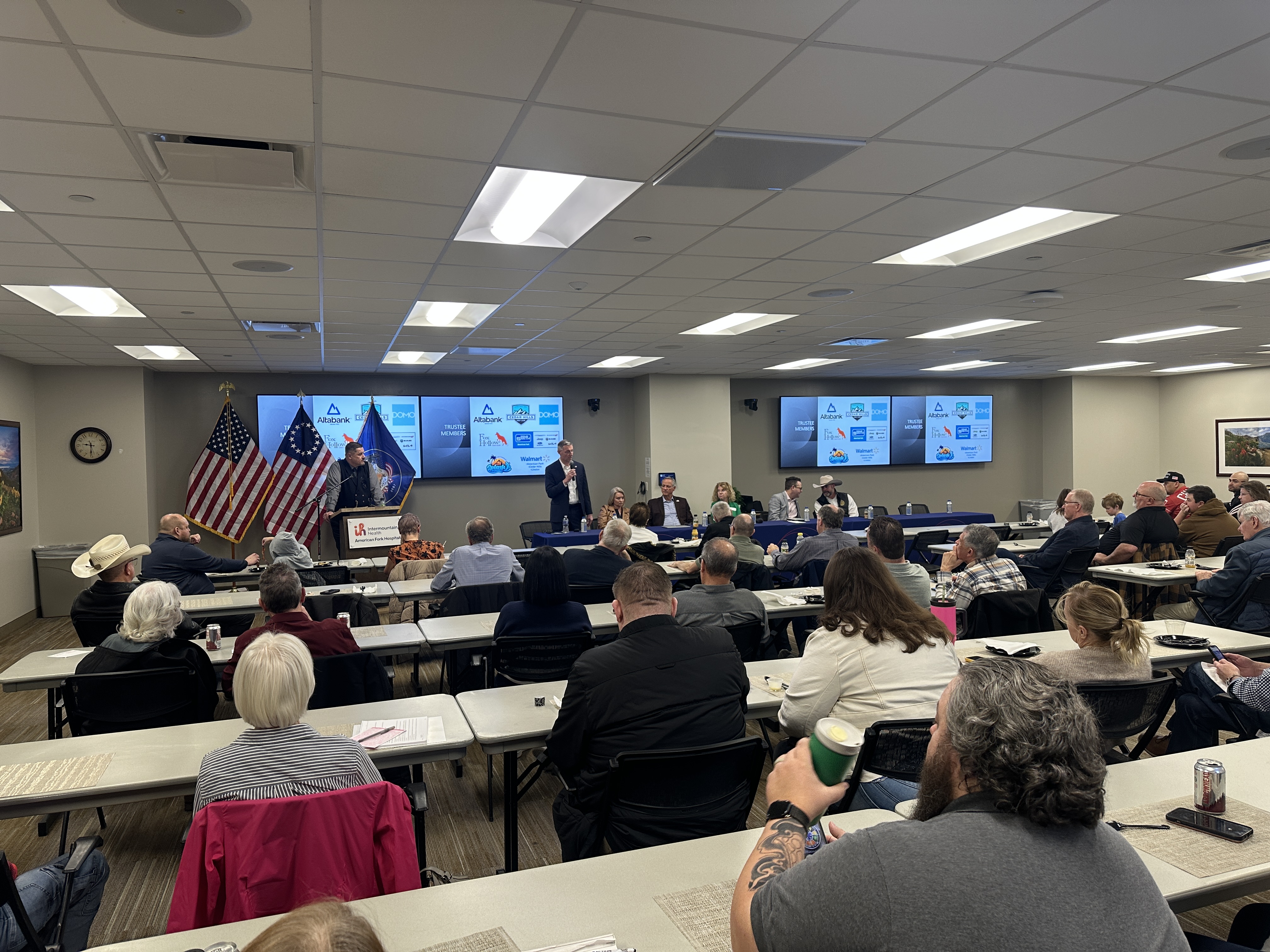
Residents filled a conference room at American Fork Hospital early Saturday for a wide-ranging discussion on growth, public safety and infrastructure during the latest Pancakes and Politics forum.
The Feb. 7 event, hosted by the American Fork Chamber of Commerce, brought together U.S. Rep. Mike Kennedy, state lawmakers, education leaders and Utah County Sheriff Mike Smith for nearly two hours of questions and discussion. The long-running free breakfast series gives residents direct access to elected officials and a chance to raise concerns about issues affecting daily life across Northern Utah County.
Washington vs Main Street
Kennedy, who previously served in the Utah Legislature before his election to Congress, opened the forum by expressing appreciation for the event and its informal setting.
“I love coming here to be with you,” Kennedy said. “This is a great venue.”
He framed much of his remarks around limiting federal influence while strengthening state and local control, a theme he returned to repeatedly throughout the morning.
“I want Utah bigger, and I want Washington, D.C., smaller,” Kennedy said.
Kennedy told attendees that many decisions made in Washington are better handled closer to home and argued that reducing federal power ultimately benefits families and local communities. He pointed to recent federal tax changes as an example, saying they leave more money in residents’ hands rather than in the federal government’s.
“Keeping taxes low — money in your pocket — disempowers Washington,” Kennedy said.
One attendee asked about tariffs and whether they are actually hitting local business owners. Kennedy said he has long opposed tariffs as a policy tool.
“I’ve never been a fan of tariffs,” Kennedy said. “I think tariffs are attacks on the people.”
Still, he noted that tariffs are sometimes used as leverage in trade negotiations. Kennedy added that while he generally opposes tariffs, he echoed President Trump’s argument, saying, “If tariffs are such a terrible idea, why does every country on the planet leverage them against us?”
Kennedy also pointed to examples of tariffs being used as a negotiation tool, particularly in discussions about pharmaceutical pricing. Kennedy emphasized his concern about the high cost of prescription drugs in the United States compared with other countries.
Kennedy also warned residents not to get distracted by the constant churn of headlines coming out of Washington, describing the nation’s capital as “a bit of a mirage,” comparing the media cycle to “a kitten with a laser pointer.” He said the White House often throws out “another shiny object” that pulls attention from one issue to the next, adding that “you will never catch that light, because there always is going to be another shiny object for you to chase.”
He mentioned flashpoints, such as headlines about Greenland. Kennedy said issues that dominate the news can disappear quickly, even as major policy changes move forward quietly. “I’m good with being a workhorse, not a show pony,” he said, emphasizing focus on steady legislative work rather than headline-driven politics.
Before leaving early for another commitment, Kennedy addressed election policy, saying he opposes federal involvement in the administration of state and local elections.
“I am not in favor of nationalizing our elections,” he said, adding that election administration should remain a state responsibility.
Traffic gridlock and Utah County underfunded
While national issues set the tone early, much of the forum focused on local concerns — especially traffic congestion and funding in Utah County.
State Sen. Brady Brammer answered the question about transportation being underfunded in Utah County. “We’re seeing transportation dollars are currently being spent in Davis County,” said Brammer. According to Brammer, Utah County is currently underfunded compared to Davis County. He mentioned how many state elected officials representing Utah County are working hard to reverse that trend. “We’ve done a lot of what I call constant, gentle pressure on [UDOT] to program the future of transportation…It’s too late. I agree completely. But we’ve got several billion, that’s not million, billion dollars of road projects that are programmed into Utah County.”
Brammer also addressed the question about plans for a flyover connecting Meadows Drive to the American Fork Front Runner station. Meadows Drive is near the American Fork/Lehi border and is a major retail hub. He commented that this project had stalled for years because it fell between state and local funding responsibilities. Studies date back to 2015, but the project has yet to move forward.
Brammer said lawmakers are now working to include funding for an environmental study in the Legislature’s end-of-session budget adjustments, a necessary step to move the flyover project higher on the state’s priority list.
He cautioned residents not to expect immediate construction but said progress is possible after years of delay.
Public safety and jail strain
Public safety was another point of discussion. Utah County Sheriff Mike Smith offered a candid assessment of the challenges facing the county as its population grows.
Smith said the Utah County Jail, built nearly 30 years ago, is under increasing strain as inmate populations become more complex, particularly with mental health and substance abuse issues.
He said recent changes in criminal law have contributed to inmates cycling through the system with more severe conditions, placing additional pressure on staff and facilities.
Smith said renovations are underway to expand medical and mental health treatment areas inside the jail, but those changes will likely reduce the number of available inmate beds.
“I don’t want to be like Salt Lake County, where we’re just releasing people onto the street because we have nowhere to put them,” Smith said.
Smith also addressed concerns about public demonstrations and safety during large gatherings, emphasizing that constitutional rights come with clear limits.
“You have a First Amendment right to come and peacefully assemble,” Smith said. “But you don’t have a right to disrupt traffic or endanger others.”
He said law enforcement agencies in Utah County monitor large gatherings and are prepared to respond if demonstrations move beyond lawful assembly.
Utah Lake making a comeback
State leaders also discussed progress at Utah Lake improvement, an issue of growing interest as shoreline access and recreation continue to expand. Brammer highlighted the work of the Utah Lake Authority, which he helped establish in 2022.
He said roughly 85% of invasive phragmites around the lake have been removed, significantly improving access and habitat conditions. Work continues to control carp populations, which contribute to water turbidity and algae blooms.
Brammer said recent investments have shifted Utah Lake from a long-standing liability to a resource with increasing recreational and environmental value.
Utah County education underfunded
Education issues were also raised during the forum. Utah State Board of Education member Cindy Davis said Utah County faces unique challenges because of its rapid growth and large student population. She also said that, like transportation funding, Utah County might not be getting its fair share of educational funding.
“We have more students in Utah County per taxpayer than other areas do. There are some formulas at the state level that help to offset, so there’s a bit more equalization in the funding. But still, we have less funding per student than a lot of areas in the state,” said Davis.
She added that Utah’s math performance has risen dramatically over the past 15 years. Utah’s eighth graders are now tied for second in the nation, just one point behind Massachusetts, while fourth graders are tied for third, two points behind Massachusetts. She emphasized that although there is still room for improvement, these gains represent significant success for Utah’s schools and educators.
Stay involved
Despite the wide range of topics, the forum maintained a focus on community engagement and practical problem-solving. Officials repeatedly encouraged residents to stay involved, attend meetings and communicate directly with their elected representatives.
Smith closed his remarks with a reflection on trust and local government, urging residents to rely on firsthand information rather than speculation.
“We’re your local government,” Smith said. “We live here. We see the same problems you do, and we want to protect what makes Utah County a great place to live.”
The final pancakes and politics for this legislative session will be on February 28 at 9 a.m. The meeting will take place in a conference room just East of the emergency room at American Fork Hospital.

Caveman track teams combine for 3rd at Alpha Invitational

Dennis Richard Meyring

Caveman volleyball progressing with experience

‘BIGGEST LOSER’ CONTESTANT FROM AF DIES TRAGICALLY

Aspen Peaks School Board “Meet the Candidates” night recap

Tragedy Strikes American Fork: Local Couple Found Dead in Apparent Murder-Suicide
-

 Local News1 month ago
AFHS students march in blizzard to protest ICE
-

 Local News1 month ago
Elected officials discuss North Utah County’s big issues
-

 Local News1 month ago
Man with Lehi heritage vies for a seat in congress
-

 Local News3 weeks ago
Utah appeals court case could redefine survivorship rights after unpaid divorce settlement
-

 AF City News1 month ago
Utah County Commissioner Seats A and B candidates profiled
-

 Local News4 weeks ago
Volunteers invited to help protect the Jordan River
-

 Art/Culture4 weeks ago
AFHS goes green with their “Shrek”tacular musical
-
Opinion1 month ago
OPINION: Meals on Wheels asks for support in March
-

 Local News3 weeks ago
Northwest Utah County to receive UTA On Demand transit service
-

 Politics3 weeks ago
Utah County Commission Seat A profiles