
Politics
Utah County Auditor and Clerk:

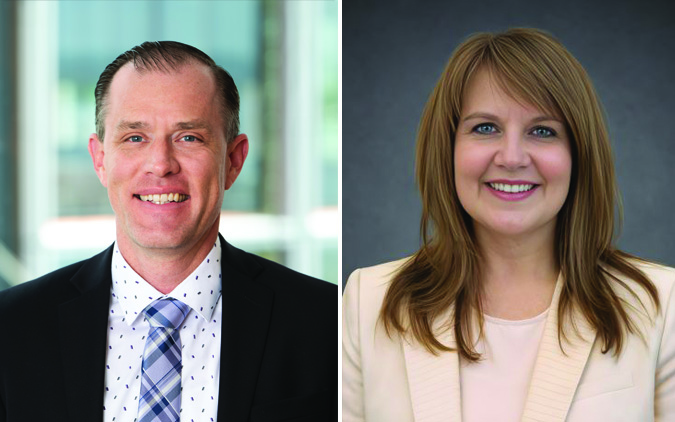
Voters in Utah County will choose between Gina Tanner and Hans V. Andersen for County Auditor and Corey K. Astill and Russ J. Rampton for County Clerk on Nov. 3. The American Fork Citizen and Lehi Free Press sent the same questionnaire, with the same character limits, to every candidate on the ballot and reached out by email, text message and voicemail where available. Their answers appear below in the order the candidates appear on the ballot and published as submitted in their own words.
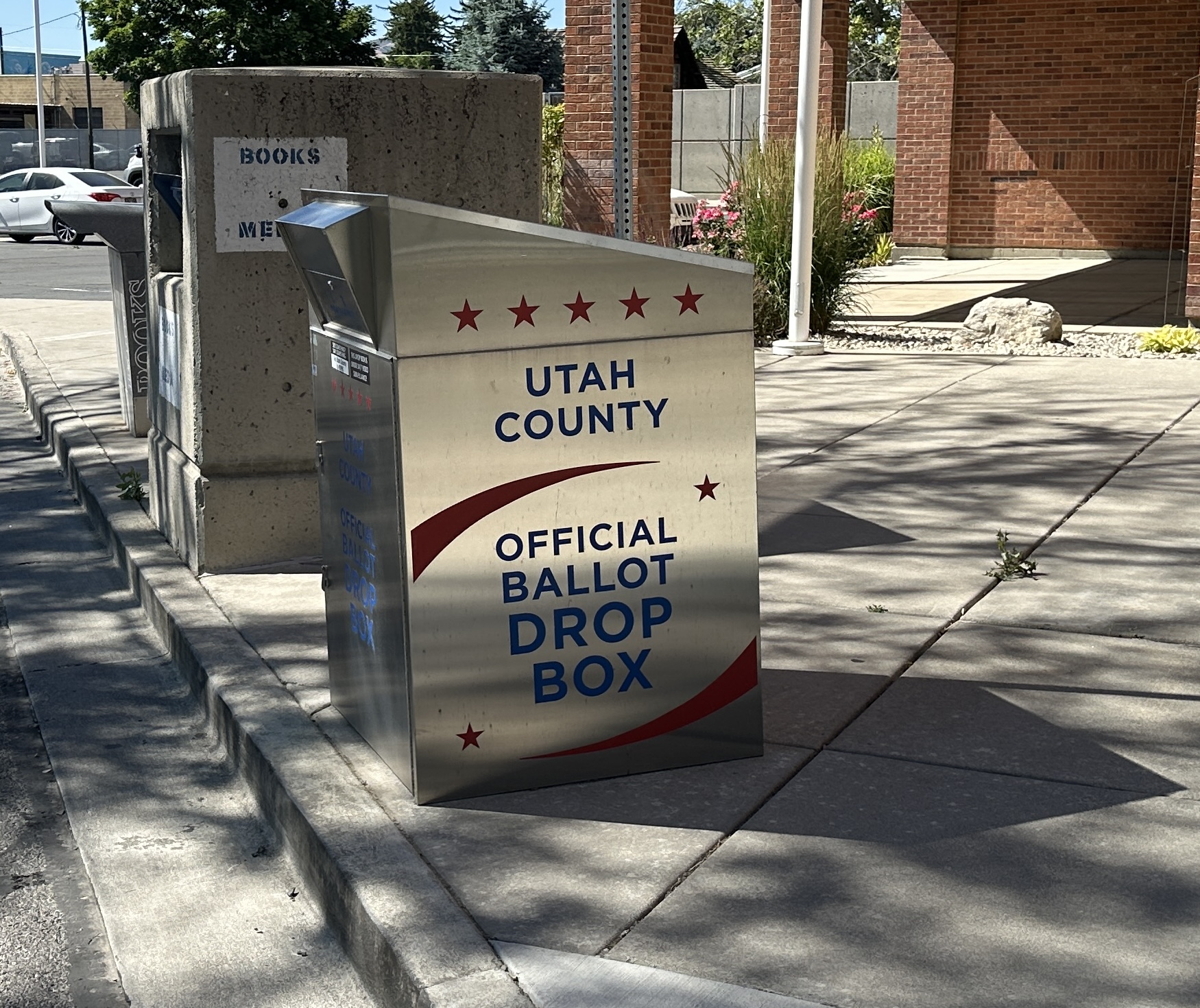
Utah County mailed a ballot to every active registered voter on Oct 13, and completed ballots must reach the county elections office by 8 p.m. Nov. 3. A postmark no longer counts, so voters mailing ballots should send them early or use one of 28 drop boxes open around the clock across the county. Voters who choose to vote in person can cast an early ballot from 8 a.m. to 5 p.m. Oct. 26-30 and Nov. 2 at the Health and Justice Building, 151 S. University Ave. in Provo, or visit any county vote center from 7 a.m. to 8 p.m. on Election Day.
The deadline to register or update a registration is 5 p.m. Oct. 23, though residents can still register and vote provisionally at a vote center on Election Day. More information is available at vote.utahcounty.gov or 801-851-8683.
County Auditor candidate: Gina Tanner (Republican)
Why did you decide to run for County Auditor and what are your top priorities?
I’m running to strengthen the financial future of Utah County and its taxpayers. My commitment is simple: build trust by continually improving transparency and accountability for every tax dollar. I’ve spent my career focused on responsible budgeting, sound financial management, and rigorous oversight. While many candidates share conservative values, my education and experience set me apart. The Auditor’s Office must be led with integrity, competence, and a results driven approach that protects taxpayers. The County Auditor is elected to be directly accountable to the people, to ensure responsible budgets, safeguard public funds, and uphold rigorous oversight. These values shape the vision and culture I will bring to the office. I love Utah County. For 20 years, I have dedicated myself to serving the people who call this place home. I am committed to protecting the values that make Utah County strong for our citizens today and for generations to come.
What experience do you have that you feel gives you a competitive advantage over other candidates or would be helpful if elected?
I have direct, hands-on experience in budgeting – one of the core functions that protects taxpayer dollars and ensures transparency. I understand how financial systems work in practice, not just in theory, and I know how to evaluate them for efficiency, compliance, and risk. I have a master’s degree in accounting, with extensive knowledge of the government accounting standards and best practices critical to the Auditor’s duties. This combination of advanced education and real-world experience ensures strong, independent oversight from the start.
Introduce yourself to the voter, giving a little background about who you are.
Gina Tanner is a lifelong Utah County resident and settled with her husband of 26 years in Benjamin with their three children. Gina believes effective auditing is about accuracy, accountability, and constant improvement. She supports modernization that increases efficiency and strengthens oversight without disrupting operations. Her commitment is clear – protect taxpayer dollars, ensure accuracy and transparency, and provide steady, independent leadership that earns public trust.
Hans V. Andersen did not respond to requests for a candidate profile.
Utah County Clerk candidate: Corey K. Astill (Republican)
Why did you decide to run for County Clerk and what are your top priorities?
Corey understands the County Clerk’s job is about execution and accuracy, not a personal policy platform. He’ll relentlessly focus on rebuilding public trust eroded by recent controversies. Priorities:
• Election Integrity and Security are non-negotiable – rigorous signature verification, accurate voter rolls, and full transparency where the law allows.
• Professional Execution – NO MORE long lines, missing ballots, running out of ballot paper on election day, confusing ballot instructions, and NO MORE tracking ballots of political adversaries! “We will be prepared, well-staffed, and serve every voter respectfully.”
• Smart Access – guarding against voter fraud while making voting convenient for eligible voters, including vote by mail. Corey’s drive to make a difference will bring steady, competent leadership that delivers reliable, professional election administration every day, every election.
What experience do you have that you feel gives you a competitive advantage over other candidates or would be helpful if elected?
Corey’s spent his career fighting for limited, efficient government – spending decades working to ensure government serves the people – not the other way around. From Chief of Staff in the U.S. Senate, corporate Vice President working with major companies and leaders at every level, to building and running two clinics with his wife Eileen providing treatment for children with autism. “It gives us a meaningful way to give back to community and struggling families.”
Introduce yourself to the voter, giving a little background about who you are.
For many years, I worked with large businesses around this amazing country. I’ve worked with business leaders, the federal government, congressional offices, state agencies and governments, and local entities. I’ve been a successful small business owner navigating state and local regulations. My background is built around managing high-stakes responsibilities where mistakes aren’t acceptable, and that’s exactly the mindset this office requires.
Russ J. Rampton did not respond to requests for a candidate profile.


Voters in House District 56 will choose between Natassja Grossman and Val L. Peterson on Nov. 3. The American Fork Citizen sent the same questionnaire, with the same character limits, to every candidate on the ballot and reached out by email, text message and voicemail where available. Their answers appear below in the order the candidates appear on the ballot and printed as submitted in their own words.
Utah County mailed a ballot to every active registered voter on Oct 13, and completed ballots must reach the county elections office by 8 p.m. Nov. 3. A postmark no longer counts, so voters mailing ballots should send them early or use one of 28 drop boxes open around the clock across the county. Voters who’d rather vote in person can cast an early ballot from 8 a.m. to 5 p.m. Oct. 26-30 and Nov. 2 at the Health and Justice Building, 151 S. University Ave. in Provo, or visit any county vote center from 7 a.m. to 8 p.m. on Election Day.
The deadline to register or update a registration is 5 p.m. Oct. 23, though residents can still register and vote provisionally at a vote center on Election Day. More information is available at vote.utahcounty.gov or 801-851-8683.
Natassja Grossman (Democrat) did not respond to requests for a candidate profile.
Val Peterson (Republican)
Why did you decide to run for House District 56 and what are your top priorities?
I am running for office to make my community and state a better place for families. This can be accomplished by building a stronger economy and making our state more affordable.
What experience do you have that you feel gives you a competitive advantage over other candidates or would be helpful if elected?
• Helped deliver more than $1.5 billion in tax relief over six straight years. That included a lower income tax rate, a bigger Child Tax Credit, and a cut to the state gas tax.
• Supported a $1.8 billion increase in education funding and doubled salary adjustments for teachers. He also backed $100 million for career and technical education. Students who complete those programs graduate at a 99% rate.
• Supported $1.1 billion in transportation investment to keep pace. He is committed to smart growth that protects our water our open spaces and our quality of life.
Introduce yourself to the voter, giving a little background about who you are.
Ann and I have been 35-year residents of Orem where we raised our three children. I currently serve as the Vice President for administration and strategic relations at Utah Valley University.

Voters in House District 55 will choose between Travis Hysell and Jon Hawkins on Nov. 3. The American Fork Citizen sent the same questionnaire, with the same character limits, to every candidate on the ballot and reached out by email, text message and voicemail where available. Their answers appear below in the order the candidates appear on the ballot and printed as submitted in their own words.
Utah County mailed a ballot to every active registered voter on Oct 13, and completed ballots must reach the county elections office by 8 p.m. Nov. 3. A postmark no longer counts, so voters mailing ballots should send them early or use one of 28 drop boxes open around the clock across the county. Voters who’d rather vote in person can cast an early ballot from 8 a.m. to 5 p.m. Oct. 26-30 and Nov. 2 at the Health and Justice Building, 151 S. University Ave. in Provo, or visit any county vote center from 7 a.m. to 8 p.m. on Election Day.
The deadline to register or update a registration is 5 p.m. Oct. 23, though residents can still register and vote provisionally at a vote center on Election Day. More information is available at vote.utahcounty.gov or 801-851-8683.
Travis Hysell (Democrat)
Why did you decide to run House District 55 and what are your top priorities?
I’m running because working-class Utahns deserve a representative who understands their challenges and will fight for their interests. Too many families are struggling with housing costs, healthcare expenses, and the rising cost of everyday necessities while feeling that their voices aren’t being heard. My priorities are making Utah more affordable, protecting our water resources, strengthening public education, supporting workers and working families, and expanding access to affordable, accessible healthcare. Government should be accountable to the people it serves, not just those with the greatest financial resources or political influence. I’m running a grassroots campaign focused on listening to residents, building relationships, and bringing the concerns of working people directly to the Utah Legislature. I want to make sure the people who keep our communities running have a meaningful voice in the decisions that affect their lives.
What experience do you have that you feel gives you a competitive advantage over other candidates or would be helpful if elected?
I have worked in construction my entire adult life. I’m also a nonprofit leader and community volunteer. Through my professional and community work, I’ve learned the importance of listening, solving problems, working with people from different backgrounds, and being accountable for results. I believe effective public service requires more than political experience. It requires understanding the challenges people face, asking the right questions, and being willing to work toward practical solutions. My goal is to represent the people of District 55 with integrity, common sense, and a commitment to putting working families first.
Introduce yourself to the voter, giving a little background about who you are.
I’m a working-class man who has spent my adult life in construction. I’m a nerdy dad, a nonprofit leader and a community volunteer. I grew up in poverty and experienced homelessness and foster care. Those experiences taught me empathy for people who struggle and a dislike for bullies. There is a place in my heart for those who struggle and my hope is to make life better for as many people as I can before I leave this life.
Jon Hawkins (Republican)
Why did you decide to run House District 55 and what are your top priorities?
I have been an elected official for 8 years now, having focused on economic development and reasonable growth, transportation infrastructure in Utah County, and educational priorities for families and schools. I serve as the House Chair of the Economic Development and Workforce Services Committee which oversees policies tied to our economic productivity, ensuring Utah continues to be business-friendly.
What experience do you have that you feel gives you a competitive advantage over other candidates or would be helpful if elected?
I have a Masters of Business Administration from BYU, as well as a Masters of Public Administration from SUU, so I have a deep understanding of how public policy and administration helps strengthen our economy to allow our communities to thrive. I have also tried to put the needs of our local communities above anything else, voting in a way that I believe best represents the citizens of District 55.
Introduce yourself to the voter, giving a little background about who you are.
I have been a resident of Pleasant Grove for more than 20 years, and have lived in Utah County for nearly my entire life. As a life-long Republican, I have strong family values, a deep appreciation for hard work and self-reliance, and a fundamental belief in the value of education. I believe that, while I happen to sit in the seat of an elected official, the chair belongs to the people I represent, and accordingly, try to vote the way my constituents would have me vote.

Voters in Utah County will choose the next Utah Count Commissioner for seat A between Jeanne Marie Bowen, Michelle Kaufusi and Jacob Oaks on Nov. 3. The American Fork Citizen and Lehi Free Press sent the same questionnaire, with the same character limits, to every candidate on the ballot and reached out by email, text message and voicemail where available. Their answers appear below in the order the candidates appear on the ballot and published as submitted in their own words.
Utah County mailed a ballot to every active registered voter on Oct 13, and completed ballots must reach the county elections office by 8 p.m. Nov. 3. A postmark no longer counts, so voters mailing ballots should send them early or use one of 28 drop boxes open around the clock across the county. Voters who choose to vote in person may cast an early ballot from 8 a.m. to 5 p.m. Oct. 26-30 and Nov. 2 at the Health and Justice Building, 151 S. University Ave. in Provo, or visit any county vote center from 7 a.m. to 8 p.m. on Election Day.
The deadline to register or update a registration is 5 p.m. Oct. 23, though residents can still register and vote provisionally at a vote center on Election Day. More information is available at vote.utahcounty.gov or 801-851-8683.
Jeanne Marie Bowen (Democrat)
Why did you decide to run for Utah County Commission Seat A and what are your top priorities?
As a current Utah County employee, I look at what is happening around me and I want to improve upon it. I believe we need to focus on how Utah County is growing and how this affects everything from water to housing to traffic. Utah County is a wonderful place to live and work, and we need to keep it that way for our future.
What experience do you have that you feel gives you a competitive advantage over other candidates or would be helpful if elected?
I believe my working for Utah County for the past 16 years helps me bring a unique perspective. As an employee I get to help property owners with their concerns. I see how Utah County can improve upon communication. The main job of the commissioners is the county budget. I have the skills from my bookkeeping jobs to excel at numbers.
Introduce yourself to the voter, giving a little background about who you are.
I was born and raised in Provo and plan to stay right here. I have an English teaching -Secondary Education – degree from BYU. I cared for my father until he passed away from Parkinson’s and then cared for my mother until she passed away from kidney failure. I am active in my faith. I belong to the Church of Jesus Christ of Latter-day Saints. I also work for a couple of smaller companies here in Provo doing their bookkeeping. I want to make this world a little better for me being a part of it.
Michelle Kaufusi (Republican)
Why did you decide to run for Utah County Commission Seat A and what are your top priorities?
This race isn’t about a title; it’s about putting my commitment and experience to work providing steady, principled, and reasonable leadership on the Utah County Commission. I’m running because this is home – where I’ve raised my family, worshiped with neighbors, and learned the value of caring for one another. Government should live within its means, respect local control, and make decisions the way families do – with a limited budget, common sense, honesty, and an eye toward the future. My years as Mayor of Provo taught me that real leadership means bringing people together to solve problems, while staying true to conservative principles. Utah County is special because of hardworking, faith-filled families who serve without hesitation. I’m running to be a steady conservative voice for them: supporting law enforcement, strengthening our economy, protecting natural resources, and planning responsibly for growth to preserve our way of life for future generations.
What experience do you have that you feel gives you a competitive advantage over other candidates or would be helpful if elected?
I bring proven executive leadership. Having served two terms as mayor of Utah County’s largest city, I have significant experience: – Running efficient government – Managing long-term investments – Leading multiple departments – Dealing with public safety issues – Understanding & coordinating transportation needs – Making the tough decisions necessary to balance complex budgets. I believe deeply in small, efficient government, strong public safety, and well-managed growth that strengthens, not strains our communities. We can’t afford on-the-job training. Putting these values into practice requires steady, experienced leadership from day one.
Introduce yourself to the voter, giving a little background about who you are.
I was raised in Provo by a single mother who worked graveyard shift to put food on the table. We didn’t look to government to solve problems – we worked harder. These principles were deeply woven into my character – dignity comes from effort, freedom requires responsibility, and strong families – not big government – are the backbone of a strong community. I’ve been married for 38 years and have five children and seven grandchildren.
Jacob Oaks (Independent)
Why did you decide to run for Utah County Commission Seat A and what are your top priorities?
Life is getting harder for families. After witnessing massive tax increases and county commissioners treating citizens more like servants than the people they serve, I knew it was time for change. Washington concerns me too, but real change starts in our own backyard. I want to set stricter criteria for data center approval, remove flock cameras, stop reckless spending. Restore the people’s rights.
What experience do you have that you feel gives you a competitive advantage over other candidates or would be helpful if elected?
My background in leadership, business, and community organizing has taught me to manage resources, unite people, and get things done. As director of Liberty United, I’ve built an organization focused on civic education and shared principles. Years of studying constitutional government have strengthened my commitment to individual rights, private property, and limited government. My greatest advantage is being an independent thinker, not a career politician beholden to party insiders. Government should serve the people, not the other way around.
Introduce yourself to the voter, giving a little background about who you are.
I’m a proud father working in business and marketing administration. I also lead the organization Liberty United, strengthening communities through principles beyond politics. I’ve spent years studying and speaking on constitutional government, with experience managing projects efficiently and creatively. I want to protect our liberties, lower taxes by stopping reckless spending, and bring accountable leadership to Utah County. Accountable to all people not a party.

Voters in Utah County will choose the next Utah Count Commissioner for seat B between J. Allen, David M. Spencer and David Hinckley on Nov. 3. The American Fork Citizen and Lehi Free Press sent the same questionnaire, with the same character limits, to every candidate on the ballot and reached out by email, text message and voicemail where available. Their answers appear below in the order the candidates appear on the ballot and are published as submitted in their own words.
Utah County mailed a ballot to every active registered voter on Oct 13, and completed ballots must reach the county elections office by 8 p.m. Nov. 3. A postmark no longer counts, so voters mailing ballots should send them early or use one of 28 drop boxes open around the clock across the county. Voters who’d rather vote in person can cast an early ballot from 8 a.m. to 5 p.m. Oct. 26-30 and Nov. 2 at the Health and Justice Building, 151 S. University Ave. in Provo, or visit any county vote center from 7 a.m. to 8 p.m. on Election Day.
The deadline to register or update a registration is 5 p.m. Oct. 23, though residents can still register and vote provisionally at a vote center on Election Day. More information is available at vote.utahcounty.gov or 801-851-8683.
J. Allen (Democrat)
Why did you decide to run for Utah County Commission Seat B and what are your top priorities?
I am running to insure that Utah County government uses evidence-based decision making and best practices to create transportation, infrastructure and land use policies that build an affordable future for the people of the County. I want to stop the construction of AI data centers without public support. And I will vote against pay raises for commissioners.
What experience do you have that you feel gives you a competitive advantage over other candidates or would be helpful if elected?
I spent 30 years as a technology executive running complex organizations in times of explosive growth, and, occasionally, times of crisis. I understand budgets and the challenges of balancing revenue and expenses. I personally feel the impact of taxes, and know how those taxes support the world-class public services that attract businesses and families to the county. But my real qualifications to be a Utah County Commissioner are not professional, they are personal; I am curious, thoughtful, teachable, a listener, a problem solver, a consensus builder, a leader, a person with deep convictions, guided by solid, tested principles.
Introduce yourself to the voter, giving a little background about who you are.
I was born in Atlanta, GA and lived in many places before I settled in Utah 40 years ago. In 1985, I married a tall, beautiful redhead from Washington, DC and together, we have four hilarious children and two delightful grandchildren. As a family, we have explored every corner of Utah, especially the mountains of Utah County. I love to hike, camp, read, eat, and laugh. And, in all humility, my biscuits and gravy are legendary.
Utah County Commission Seat B: Get to know Allen, Spencer and Hinckley
Voters in Utah County will choose the next Utah County Commissioner for seat B between J. Allen, David M. Spencer and David Hinckley on Nov. 3. The American Fork Citizen and Lehi Free Press sent the same questionnaire, with the same character limits, to every candidate on the ballot and reached out by email, text message and voicemail where available. Their answers appear below in the order the candidates appear on the ballot and are published as submitted in their own words.
Utah County mailed a ballot to every active registered voter on Oct. 13, and completed ballots must reach the county elections office by 8 p.m. Nov. 3. A postmark no longer counts, so voters mailing ballots should send them early or use one of 28 drop boxes open around the clock across the county. Voters who choose to vote in person can cast an early ballot from 8 a.m. to 5 p.m. Oct. 26-30 and Nov. 2 at the Health and Justice Building, 151 S. University Ave. in Provo, or visit any county vote center from 7 a.m. to 8 p.m. on Election Day.
The deadline to register or update a registration is 5 p.m. Oct. 23, though residents can still register and vote provisionally at a vote center on Election Day. More information is available at vote.utahcounty.gov or 801-851-8683.
J. Allen (Democrat)
Why did you decide to run for Utah County Commission Seat B and what are your top priorities?
I am running to ensure that Utah County government uses evidence-based decision-making and best practices to create transportation, infrastructure and land use policies that build an affordable future for the people of the County. I want to stop the construction of AI data centers without public support. And I will vote against pay raises for commissioners.
What experience do you have that you feel gives you a competitive advantage over other candidates or would be helpful if elected?
I spent 30 years as a technology executive running complex organizations in times of explosive growth and, occasionally, times of crisis. I understand budgets and the challenges of balancing revenue and expenses. I personally feel the impact of taxes, and know how those taxes support the world-class public services that attract businesses and families to the county. But my real qualifications to be a Utah County Commissioner are not professional; they are personal; I am curious, thoughtful, teachable, a listener, a problem solver, a consensus builder, a leader, a person with deep convictions, guided by solid, tested principles.
Introduce yourself to the voter, giving a little background about who you are.
I was born in Atlanta, GA and lived in many places before I settled in Utah 40 years ago. In 1985, I married a tall, beautiful redhead from Washington, DC, and together, we have four hilarious children and two delightful grandchildren. As a family, we have explored every corner of Utah, especially the mountains of Utah County. I love to hike, camp, read, eat, and laugh. And, in all humility, my biscuits and gravy are legendary.
David M. Spencer (Republican)
Why did you decide to run for Utah County Commission Seat B and what are your top priorities?
I am running because Utah County needs proven conservative leadership, greater transparency, and a renewed focus on taxpayers. Families and businesses are already paying too much. My top priorities are opposing unnecessary tax and fee increases, improving efficiency, cutting waste, supporting public safety, and making county government more accountable to the people it serves.
What experience do you have that you feel gives you a competitive advantage over other candidates or would be helpful if elected?
I served on the Orem City Council, where I helped deliver a new City Center with no new debt, improved parks and water infrastructure, supported first responders with new training facilities and equipment, and worked with staff to find efficiencies, cut waste, and improve city services. I have a record of delivering results without raising taxes.
Introduce yourself to the voter, giving a little background about who you are.
My wife, Julie, and I raised our family in Orem, and we believe deeply in keeping Utah County a great place to live, work, worship, and raise a family. I have spent years serving at the local level, listening to residents, working with city staff and first responders, and focusing on practical solutions that protect taxpayers and strengthen our communities.
David Hinckley (Forward)
Why did you decide to run for Utah County Commission Seat B and what are your top priorities?
I decided to run for Utah County Commission because I believe our county faces important challenges that require thoughtful, forward-looking leadership. As a Forward Party candidate, I want to bring a practical, nonpartisan approach to solving those problems. My top priority is managing our extraordinary growth. We need better coordination between cities, transportation agencies, and the state legislature to ensure infrastructure keeps pace with development. We also need housing policies that make it easier for families to live near jobs and transportation, rather than pushing growth farther west and creating longer commutes. My second priority is improving county government itself. I support replacing our three-member commission with a seven-member, district-based council and a professional county manager to provide better representation and accountability. Ultimately, I’m running because I believe good government should be about solving problems, not winning ideological battles.
What experience do you have that you feel gives you a competitive advantage over other candidates or would be helpful if elected?
My background combines professional experience in data analytics and organizational management with leadership in local politics. I hold a master’s degree in management and lead a team of analysts in higher education, helping organizations understand complex problems and make better decisions. I’ve also served in county and state leadership positions with the Forward Party, working across political divides. I would bring analytical rigor, management experience, and an independent perspective to the commission, with a focus on evidence-based solutions rather than ideology.
Introduce yourself to the voter, giving a little background about who you are.
I live in Orem with my wife, Marie, and our six children, ranging from elementary school to college age. I work in higher education, leading a team of data analysts, and hold a master’s degree in management. My career has focused on helping organizations solve complex problems and make better decisions. I’ve served in county and state leadership positions with the Forward Party. I’m passionate about public policy and new approaches to make government more effective and accountable.

House District 53 candidates:
Voters in House District 53 will choose between Kay J. Christofferson, John Boyd and Kevin R. Slater on Nov. 3. The American Fork Citizen and Lehi Free Press sent the same questionnaire, with the same character limits, to every candidate on the ballot and reached out by email, text message and voicemail where available. Their answers appear below in the order the candidates appear on the ballot and are published in their own words.
Utah County mailed a ballot to every active registered voter on Oct 13, and completed ballots must reach the county elections office by 8 p.m. Nov. 3. A postmark no longer counts, so voters mailing ballots should send them early or use one of 28 drop boxes open around the clock across the county. Voters who choose to vote in person may cast an early ballot from 8 a.m. to 5 p.m. Oct. 26-30 and Nov. 2 at the Health and Justice Building, 151 S. University Ave. in Provo, or in-person any county vote center from 7 a.m. to 8 p.m. on Election Day.
The deadline to register or update a registration is 5 p.m. Oct. 23, though residents can still register and vote provisionally at a vote center on Election Day. More information is available at vote.utahcounty.gov or 801-851-8683.
Kay J. Christofferson (Republican)
Why did you decide to run for House District 53 and what are your top priorities?
I have been serving in the House of Representatives for 14 years. I serve as the chair of the
House Transportation Committee and want to make sure we are putting as many resources
to our transportation infrastructure as possible. With the growth we are experiencing in
northern Utah County, we must look ahead far enough to plan for and preserve corridors
before homes or businesses are built in these routes.
I have worked to cut income taxes for six years in a row, cut taxes on social security income,
and required the State Government to track costs of services that are paid for through fees.
I currently have bills filed to continue to reduce State taxes and increase accountability for
expending that revenue.
I have also supported increased public education funding by 48% in the last six years and
raising teacher’s starting salaries to among the highest in the nation. I have helped expand
technical education and career pathways for students. I will continue to support education.
What experience do you have that you feel gives you a competitive advantage
over other candidates or would be helpful if elected?
I have had seven terms of experience with bills, committees, State agencies, and becoming
acquainted with people and their expertise on issues. I graduated from BYU in Civil
Engineering and began working in the private sector for the Clyde Companies, at Geneva
Rock Products (becoming its VP of Construction), and Sunroc (becoming its President),
building transportation and utility infrastructure. Here I witnessed free-market principles in
action. It also taught me that timely service and producing value at the lowest cost benefits
everyone. These lessons can be used to improve the operations of State government.
Introduce yourself to the voter, giving a little background about who you are.
I was born in the Lehi Hospital, attended Lehi schools and BYU. I served an LDS mission to
Argentina. My wife is Suzanne; we have 7 children & 19 grandchildren. We chaired the Lehi
Parade Committee, for three years. I served on the Lehi Board of Adjustments and the Lehi
Recreation Committee for years. Currently, I serve on the Board of the American Fork
Chamber of Commerce and the Community Board of Common Spirit Hospitals, and I am the
LDS Branch President at Spring Gardens Assisted Living Center.
John Boyd (Forward Party)
Why did you decide to run for House District 53 and what are your top priorities?
After knocking on all 10,000 doors in District 53 over the past 11 months, which includes East Lehi/Traverse and northeast American Fork, the prevailing theme has been that people in the district want to be heard more and would prefer that elected leaders focus more on what the community wants and less on pushing their own agendas.
I’m for economic prosperity, citizen-led ballot initiatives like Prop 4, fair congressional maps, more education funding/teacher support, vote by mail, local control, small government, multimodal transportation, increased regulation of AI, data centers, and surveillance cameras, water conservation, clean air, protecting Utah lands, humane immigration policy, and respect for ALL people.
I want to reduce negative polarization and get back to respectful dialogue, finding common ground, and innovating solutions together.
What experience do you have that you feel gives you a competitive advantage over other candidates or would be helpful if elected?
Over the past 30 years, I’ve co-founded multiple tech businesses, created over 100 full-time tech jobs, raised a large family, and spent some time in the Marines. I’ve written a book about resilience, taught resilience at the college level as an adjunct professor, and worked with hundreds of people over the years to start businesses and find better jobs.
I’ve had successes and failures, but when I’ve been successful, it’s been when teams have come together to find common ground, innovate, and solve problems. It’s been when we actually listen to feedback and respond. I’ll bring that skill set with me to the Legislature.
Introduce yourself to the voter, giving a little background about who you are.
I was raised in Alaska in a blended family and joined the Marine Corps Reserve while attending BYU. Three days after marrying my wife, Karen, I was deployed for Desert Storm in December 1990 for nine months, with my unit serving in Okinawa, Japan.
After BYU and an MBA from the U of U, I began 30-yr career co-founding tech startups. We moved to Lehi 27 years ago and have raised seven children here. What we thought might be temporary, became home, and we’ve loved raising our family in Utah.
Kevin R. Slater did not respond to requests for a candidate profile.

Voters in Senate District 21 will choose between incumbent Brady Brammer and challengers Kandee Myers and Wayne Woodfield on Nov. 3. The American Fork Citizen and Lehi Free Press sent the same questionnaire, with the same character limits, to every candidate on the ballot and reached out by email, text message and voicemail where available. Their answers appear below in the order the candidates appear on the ballot, and their answers are published as submitted in their own words.
Utah County mailed a ballot to every active registered voter on Oct. 13, and completed ballots must reach the county elections office by 8 p.m. Nov. 3. A postmark no longer counts, so voters mailing ballots should send them early or use one of 28 drop boxes which are available around the clock across the county. Voters who choose to vote in person may cast an early ballot from 8 a.m. to 5 p.m. Oct. 26-30 and Nov. 2 at the Health and Justice Building, 151 S. University Ave. in Provo, or visit any county vote center from 7 a.m. to 8 p.m. on Election Day.
The deadline to register or update a registration is 5 p.m. Oct. 23, though residents can still register and vote provisionally at a vote center on Election Day. More information is available at vote.utahcounty.gov or 801-851-8683.
Wayne Woodfield (Utah Forward Party)
Why did you decide to run for Senate District 21 and what are your top priorities?
I am running for Senate to bring civility, integrity, transparency, and fair governance to my Senate seat. Our two major political parties have become so polarized that our government no longer functions. Many Utahns no longer identify with either one.
I’m running with the Forward Party to give Utahns another choice. As a former Republican precinct chair, I am fluent in conservative principles, but I do not always agree with the way our elected leaders pursue those principles. I will return Utah to a more familiar style of government – one where we work pragmatically with all sides and get things done.
I will prioritize things that are important to Utahns, like affordable housing, personal and religious liberty, strong public education, a healthy Great Salt Lake, and responsible growth. I love government operations and will work for reforms such as term limits and campaign finance limits. I will strengthen institutions that foster independence and reduce incentives for corruption.
What experience do you have that you feel gives you a competitive advantage over other candidates or would be helpful if elected?
On multiple occasions, my opponent has fallen short of his duty to his constituents to represent them in good faith with transparency and integrity and has instead chosen a path of partisan power and political gamesmanship. My commitment to you is that I will always put principles ahead of partisanship and never play games with your rights. True representation means that I will listen to your perspectives and legislate in a way that addresses your concerns and treats you fairly. I am a software engineer, not a lawyer or a land developer, so I bring fresh perspectives to the Senate that are free from legislative conflicts of interest.
Introduce yourself to the voter and share a little background about who you are.
I grew up in Mapleton, and I have lived in Utah County ever since. I currently live in Lehi with my wife and three children. I am a software architect by profession, and I enjoy finding creative solutions to complex problems. I am a former Republican Party precinct chair and Vice Chair of the United Utah Party. I served on the Utah Foster Care board of directors and love Utah’s world-class foster care system. I would be honored to represent you as your next State Senator.
Kandee Myers (Democrat)
Why did you decide to run for Senate District 21 and what are your top priorities?
I decided to run because I believe Senate District 21 deserves a real choice. In 2016, when much of our community was District 14, voters elected Dan Hemmert. Since then, our Senate representation has been decided through uncontested elections or appointments by Republican delegates. I thought it was time voters had another option. My priorities include strengthening public education, affordable housing, responsible growth, protecting our natural resources, improving healthcare access, and ensuring essential services reach those who need them. Running as a Democrat in Utah County takes courage, but I believe in the goodness of our communities and the people who live here. I like people. I trust that we have more in common than our political divisions suggest. Above all, I want transparency, accountability, and a Legislature that respects the voice of its citizens. People matter more than politics. Utah. Better. Together.
What experience do you have that you feel gives you a competitive advantage over other candidates or would be helpful if elected?
I bring over 30 years of real estate experience, have owned five businesses, negotiated contracts, and helped families make important financial decisions. I hold a bachelor’s degree in Family Studies & Human Development and a master’s in Applied Positive Psychology. Life has taught me resilience, compassion, and practical problem-solving. My greatest strength may be my ability to listen, ask difficult questions, and work with people who think differently. I am curious, persistent, and willing to challenge assumptions. I believe kindness and courage belong together. I say what I mean, and people can trust that I mean what I say.
Introduce yourself to the voter and share a little background about who you are.
I’m Kandee Myers, a wife, mother, grandmother, and lifelong learner. Life hasn’t always been easy. Loss, setbacks, and new beginnings have taught me resilience, humility, and the importance of the stories we tell ourselves and others. I’m a third-generation moderate Democrat, currently teach Gospel Doctrine, and believe deeply in individual agency, personal responsibility, and caring for our neighbors. I love Utah. I’m curious by nature, optimistic by choice, and not afraid of hard work.
Brady Brammer (Republican)
Why did you decide to run for Senate District 21 and what are your top priorities?
I ran for office because I believe public service should be about solving problems and leaving Utah better for the next generation. Utah has been an incredible place to raise my family, build a business, and serve my community, and I want to preserve those opportunities. My priorities are keeping taxes low and government accountable, strengthening schools, protecting children and families, responsibly addressing growth and infrastructure, and preserving Utah’s freedoms and values. Most importantly, I focus on results, not rhetoric. That includes helping make Utah Lake the healthiest it has been in a century, reducing youth vaping from 15% to 7%, and cutting taxes by an amount that saves the average family in my district about $700 each year. My goal is simple: identify problems, find practical solutions, and deliver results.
What experience do you have that you feel gives you a competitive advantage over other candidates or would be helpful if elected?
I bring a combination of legal, business, community, and legislative experience. I have both a JD and a Master of Public Administration and am an attorney and business owner. I grew up here and have raised my family here, with all five of my children attending our local public schools (just like I did). My legislative service has also helped me build strong relationships with leaders at the city, county, and state levels. This experience helps me understand both how government works and how its decisions affect families and businesses.
Introduce yourself to the voter, giving a little background about who you are.
I grew up in Utah County and am grateful to now be raising my own family here. My wife, Nicki, and I have five children, all of whom attend or have attended our local public schools. I am an attorney and business owner with both a law degree and a Master of Public Administration from BYU. Before serving in the Legislature, I served on the Highland Planning Commission. I served in the Utah House from 2019–2024 and now represent Senate District 21 in the Utah Senate. I’m an avid golfer and skier.
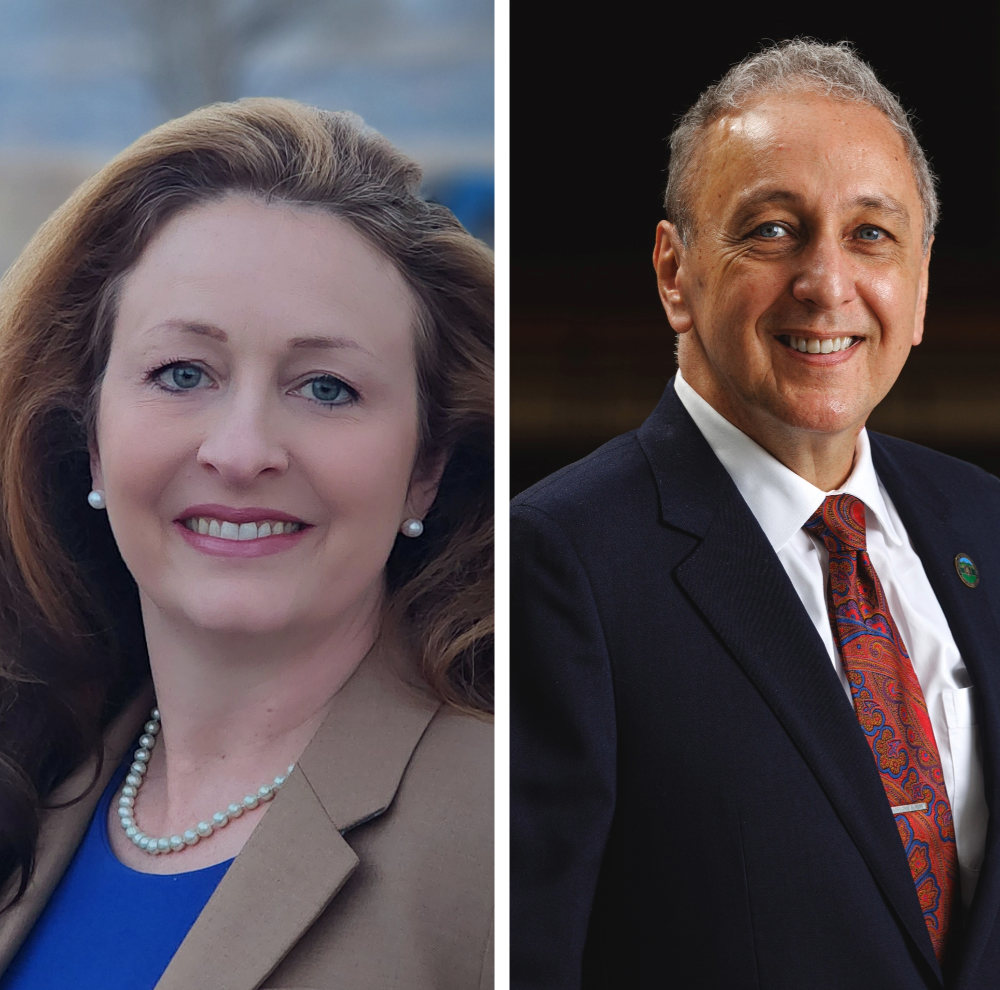
Voters in House District 52 will choose between incumbent Rep. Cory Maloy and challenger Nicole Melling on Nov. 3. The American Fork Citizen and Lehi Free Press sent the same questionnaire, with the same character limits, to every candidate on the ballot and reached out by email, text message and voicemail where available. Their answers appear below, in the order the candidates appear on the ballot, and are submitted in their own words.
Utah County mailed a ballot to every active registered voter on Oct. 13, and completed ballots must reach the county elections office by 8 p.m. Nov. 3. A postmark no longer counts, so voters mailing ballots should send them early or use one of 28 drop boxes open around the clock across the county. Voters who’d rather vote in person can cast an early ballot from 8 a.m. to 5 p.m. Oct. 26-30 and Nov. 2 at the Health and Justice Building, 151 S. University Ave. in Provo, or visit any county vote center from 7 a.m. to 8 p.m. on Election Day.
The deadline to register or update a registration is 5 p.m. Oct. 23, though residents can still register and vote provisionally at a vote center on Election Day. More information is available at vote.utahcounty.gov or 801-851-8683.
Nicole Melling
Why did you decide to run for your filed office and what are your top priorities?
I decided to run because I got tired of waiting for someone with the courage to stand up to national party pressure. I’ve watched Utah’s legislature shift from serving Utahns to serving national party interests. My priority is listening to what Utahns care about. After asking hundreds of voters, I’ve heard affordability, restoring integrity through accountability and real transparency, and prioritizing public education by giving our dedicated teachers the resources they need. I have NOT heard that people want more data centers using up our vital resources, more drilling in our national parks, or a legislature that gets to make up its own maps, pick its own judges, and keep proposing amendments to take more power from the citizens.
What experience do you have that you feel gives you a competitive advantage over other candidates or would be helpful if elected?
Our legislature is full of businessmen who are great at passing laws that help businessmen. As a nurse and a mom, I’ll stand up for folks struggling to afford housing and put food on the table. I see what it costs our communities when healthcare is out of reach, and I will work toward solutions. I’ll work to protect families by balancing the tax burden so millionaires and businesses pay their fair share to support the communities that support them. Most importantly, I’ve heard from dozens of neighbors who have been ignored by our representative. I’m here to listen, and I’ll hold regular open office hours to hear what matters to you.
Introduce yourself to the voter, giving a little background about who you are.
My family has served in the military since the American Revolution. As an “army brat,” I’ve lived all over the US, so I know Utah is an incredibly special place to raise a family, and it’s worth fighting for. I believe our constitutional democracy is sacred, and that real representation and balance of power are essential to ensure a prosperous future for Utahns and our children, not just the privileged and the politicians. As a nurse, a mom, and a public servant, I’ll work for you and our future.
Cory Maloy
Why did you decide to run for your filed office and what are your top priorities?
I love this community and want my friends and neighbors to keep building their lives here as we grow. Everything I do stands on the founding truths of the Utah and U.S. Constitutions. I push for roads that keep pace with new neighborhoods, and housing decided locally. I work to remove government barriers so businesses can innovate, grow and offer good-paying jobs. I work diligently to help healthcare workers learn, practice and thrive in Utah, so strong healthcare is available when needed for our families throughout the state.
What experience do you have that you feel gives you a competitive advantage over other candidates or would be helpful if elected?
Legislative experience and results set me apart. No bill I have sponsored has ever failed a floor vote in the House. I fight to keep government from burdening families, workers and businesses. That job never ends. I have defended the Second Amendment with multiple bills, stood up for the unborn, championed parental choice in their children’s education, supported teachers and protected biological truth. I watch every tax, property taxes included, and push for relief. I invite citizens into the process so they can take part.
Introduce yourself to the voter, giving a little background about who you are.
I am a conservative Republican, BYU graduate and member of The Church of Jesus Christ of Latter-day Saints. I founded Maloy PR and have spent over 25 years in communications. Linda and I came here nearly 20 years ago, never knowing some of her pioneer ancestors already rest in the Lehi Cemetery. Our family now spans four generations. We host a flag-raising and prayer ceremony at our home every Fourth of July. Learn more at corymaloy.com. I would be grateful for your vote.

Jacob Fischler | Utah News Dispatch
September 22, 2026
Federal officials charged a Utah letter carrier Tuesday with throwing 300 primary ballots in a church parking lot dumpster, an incident that a top U.S. Justice Department official said made the case for stricter regulations of voting.
The prosecution of Damon Matai Seei, of Payson, Utah, showed “voting fraud is real,” acting Deputy Attorney General Trent McCotter said at a press conference at DOJ headquarters in Washington.
The Justice Department gave the arrest an unusually high profile, spotlighting the administration’s efforts to combat voter fraud after the U.S. Supreme Court this month blocked a new U.S. Postal Service rule limiting mail voting from going into effect for this year’s elections.
The regulation was meant to “address the chronically abused mail-in ballot system,” McCotter said. He criticized the trial judge who initially blocked the rule, which would have required special tracking and design features, among other things such as creating a national database of eligible voters.
“Election integrity should not be a political or partisan issue,” McCotter said. “Who could be against properly tracking mail-in ballots? Unfortunately, but entirely predictably, that regulation was blocked by a judge in Massachusetts. … The Trump administration, however, will continue taking aggressive actions to protect our elections.”
Postal Service rule
U.S. District Judge Indiria Talwani’s order blocking the rule is only in effect for the Nov. 3 elections, a provision meant to preserve the status quo because the rule was finalized mere months before the midterms. The merits of the case are still being argued. The U.S. Supreme Court upheld Talwani’s decision.
The prosecution of Seei, and the attention the administration sought to give it, undercut a key argument the administration made in the case: The rule included only “modest” technical specifications for a category of mail and should not be interpreted as an election regulation.
The U.S. Constitution grants states the authority to administer elections, with policy oversight from Congress.
In siding with the Democratic states and voting rights groups who filed suit, Talwani and the U.S. Court of Appeals for the 1st Circuit said the rule was clearly an attempt to affect election policy and was not restricted to a modest mail regulation.
Trump and mail-in voting
President Donald Trump has railed against mail-in voting and claimed, without evidence, that it is a major source of election fraud and contributed to his 2020 loss to President Joe Biden.
Since Trump retook office in January 2025, the department has charged 70 immigrants with illegally voting, compared with only 13 in the four years of Biden’s term, McCotter said Tuesday.
“And we intend to bring many more,” he added.
Homeland Security Investigations, a Homeland Security Department agency, has made 160 recent arrests, from 1,600 open voter fraud cases, HSI acting Deputy Executive Associate Director Matthew Millhollin said.
A reporter in the room noted that 70 prosecutions amounted to a bare fraction of the 150 million votes cast in the 2024 election.
McCotter responded that the Utah case involved 300 ballots, and that law enforcement had only scratched the surface of possible incidents. “Thousands more” cases were being investigated, he said.
“The folks on the other side, the opponents of the president, insist this has never happened, that there is no voting fraud,” he said. “And so when we have dozens of cases … I think that discourages and defeats their characterization.”
No partisan motive alleged
Seei, who is no longer a postal worker, intentionally threw out about 300 mail ballots on June 3 that were being mailed to voters in advance of the June 23 primary in Utah, according to charging documents.
In an interview with law enforcement, he indicated he did not have a political motive but said he threw away the mail, which also included advertisements, “because he wanted to ‘lighten his workload’ so he could presumably go home earlier,” prosecutors said.
Melissa Holyoak, the top federal prosecutor for Utah, traveled to Washington, D.C., for Tuesday’s press conference. She noted that 95% of the state’s voters cast their ballots by mail.
Many people in Seei’s delivery area in Eagle Mountain, Utah, complained to the Utah County Clerk that they hadn’t received ballots, Holyoak said. Using county databases, the clerk found that voter participation was “remarkably low” in the area where complaints originated.
“As American citizens, we have certain freedoms and rights,” Holyoak said. “And one of those fundamental rights is the right to vote. But when defendant allegedly tossed the mail-in ballots into a parking lot dumpster, those citizens’ right to vote were also thrown away.”
The federal public defender representing Seei did not immediately return a call seeking comment.
Utah News Dispatch is part of States Newsroom, a nonprofit news network supported by grants and a coalition of donors as a 501c(3) public charity. Utah News Dispatch maintains editorial independence. Contact Editor McKenzie Romero for questions: [email protected].

Rob Shelton | American Fork Citizen
American Fork’s park strip tree ordinance, the one that threatened to put a 90-year-old man on trial over seven cherry trees, has a new author.
The City Council voted 5-0 on Sept. 8 to repeal Chapter 12.16 and replace it with a new chapter titled “Park Strips and Trees.” Council members Ryan Hunter, Ernie John, Clark Taylor, Tim Holley and Staci Carroll all voted yes.
The rewrite lands four months after the American Fork Citizen reported that Harry and Verna Gammon faced up to 90 days in jail or an $1,800 fine for planting trees based on an outdated guide they found through a Google search that led to an old PDF on the city’s domain. American Fork dropped the charges May 6, the day of the Gammons’ trial, and the city’s statement that day said the council had committed to reviewing the ordinance. The Sept. 8 vote is that review’s result, though no one named the Gammons.
Under the old code, no new trees could go into a park strip narrower than 8 feet. The rewrite loosens that: strips as narrow as 4 feet can take a small tree from the Approved Tree List, and 6-to-8-foot strips qualify for medium trees. Strips of 8 feet or more can still take a large tree.
The new code adds a grandfather clause the old one lacked: Trees “lawfully planted prior to the effective date of this ordinance may remain unless determined to be a hazard tree, nuisance tree, or otherwise required to be removed,” the ordinance states.
Derric Rykert, Community Services Director for the city, presented the rewrite for Urban Forester Brady McNaughton, who was absent, saying city attorney Heather Schriever had suggested starting over: “What if we just rewrite this thing? It’ll be more clean that way.” Planning Commission asked for one change first: measuring a tree’s location from the center of its trunk rather than its outer edge, “just in case it gets [bigger] as the tree grows.”
The new chapter requires the Approved and Prohibited Tree Lists to stay posted on the website going forward. That doesn’t address what tripped up the Gammons, though: a Google search, not a walk through the site’s menus, surfaced the old guide on the city website, which the city has since taken down. Council Member Ernie John tested the site’s navigation anyway. “I went to the city website to see. It’s not hard to find this on the city website,” John said. “You can go right to it with just three clicks and you’re there.”
Council members spent more time on enforcement than the ordinance’s text, led by Clark Taylor. He said the rewrite handles existing trees well, since old trees can stay unless they’re nuisance trees. “So I’m good to go forward with this,” Taylor said. But he called enforcement an unsolved problem well beyond trees, pointing to homes along 900 West, south of 700 South, where fenced yards back onto park strips filled with rocks that “look like trash.”
“None of them are coming over on the other side of their fence to clean that up,” he said. He described a similar stretch along North County Boulevard, past the developmental center and the temple, where a cinder block wall runs with no gates. “Who’s going to come all the way out and clean up that area? They’re not going to do it,” he said. Taylor said he’d still vote yes, since “there’s no change in what we’re doing that’s going to all of a sudden give us a light bulb for that,” but called enforcement his central concern.
“I don’t know how we make that work,” Taylor said. Staci Carroll agreed, saying the council had discussed at a work session that many homeowners likely don’t even realize the park strip behind their fence is their responsibility.
Assistant City Administrator Camden Bird said code enforcement plans education before citations. “The intent is that code enforcement would go through and could give them materials that have the findings and the facts and the information and set the expectations with them there, and it’d be a conversation,” Bird said.
Carroll, who made the motion to adopt the new chapter, said it at least gives residents and code enforcement a clearer starting point. “I think this provides a lot of clarity compared to where we were,” she said. “It’s just clear.”
Rykert agreed it won’t resolve every dispute. “It’s not going to fix everything,” he said, “but it is going to give us somewhere to start with the trees.”
Rob Shelton | American Fork Citizen
Utah County’s Republican delegates made their picks at April’s convention in Lehi. In two of four contested races in the American Fork and Lehi area, the party’s voters overruled delegate favorites in the June 23 primary.
The reversals came in contests where a candidate who’d didn’t have the majority delegate vote still reached the primary ballot. One by narrowly qualifying with 41.36% of delegate votes and the other by gathering signatures, Utah’s second route to the ballot. The signature path has been a long-running spot for the party’s convention loyalists.
One of the night’s biggest upsets was in the Utah County Clerk race. Challenger Corey Astill unseated first-term incumbent Aaron Davidson, about 56% to 44% in unofficial returns. Delegates in April’s convention chose Davidson over Astill 58.63% to 41.36%, so Astill reached the primary ballot with just 1.36% over the qualifying percentage of 40% delegate support. Astill, a former legislative director and law clerk, campaigned against what he called the office’s operational failures under Davidson. Two months after the convention, voters flipped the delegates’ verdict on its head.
Davidson’s single term as Utah County Clerk drew steady controversy over how he ran county elections, from a 2024 fight over mail-ballot postage to a county attorney inquiry into his handling of voter records to the appointment of a 23-year-old BYU student as Chief Deputy Clerk. He defended his tenure as active and “reform-minded.”
Commission Seat A is where the signature-gathering candidate won. Michelle Kaufusi, Provo’s mayor from 2018 to 2025, lost the convention vote to Brent Bowles, 64.67% to 35.32%. She gathered signatures, made the ballot, then beat Bowles in the primary by roughly 56% to 44%. Bowles, a nurse anesthetist and self-described political outsider, had the delegates. Kaufusi had the voters.
The delegates didn’t strike out completely though.
In the three-way race for Seat B, David Spencer, the convention’s top finisher and a former Orem city councilman, won the primary with about 42%. Isaac Paxman, a former Provo deputy mayor who’d petitioned onto the ballot, finished second near 35%. Carolina Herrin, the other convention qualifier, took the rest. The delegates’ favorite held.
So did their pick in state Senate District 21, the race closest to home for many voters in American Fork and Lehi. The district runs across northern Utah County, taking in Alpine, Cedar Hills, Pleasant Grove and parts of both cities. Incumbent Brady Brammer, who’d sailed through the convention 68.22% to 31.78%, turned back challenger Kelly Smith by about 56% to 44%. Smith, a Cedar Hills city councilwoman, had reached the ballot by signature gathering. The delegate favorite won anyway.
What makes the Kaufusi upset stand out is how unusual it is in Utah County. In the last three county commission elections, every winner was the convention’s nominee and no candidate who failed at the convention had even made the ballot, according to the Daily Herald. That streak snapped this year. Kaufusi is now her party’s nominee.
Turnout came in around 27%, 60,028 ballots against 224,604 voters eligible for the partisan ballot, by the county’s midweek count. That’s lower than the last midterm Republican primary in 2022, in which voter turnout was 37%. Candidates blanketed mailboxes and phones with fliers and texts this spring, and several races turned sharply negative in the final weeks. Whether that barrage kept some Republicans home is impossible to prove from the returns, which show who voted, not why others didn’t.
The figures are still unofficial. County canvassers have yet to certify the results, and late mail and provisional ballots remain to be counted.
November fields are already set. Astill will face Russ J. Rampton of the Forward Party for the clerk’s office, with no Democrat in the race. In Commission Seat A, Kaufusi draws Democrat Jeanne Marie Bowen and Jacob D. Oaks of the Independent American Party. For Seat B, Spencer meets Democrat J. Allen and the Forward Party’s David Hinckley. And in Senate District 21, Brammer faces Democrat Kandee Myers and Forward Party candidate Wayne Woodfield.

House District 56 candidates, profiled

Utah County Auditor and Clerk:

Caveman girls soccer ends year in semis

‘BIGGEST LOSER’ CONTESTANT FROM AF DIES TRAGICALLY

Aspen Peaks School Board “Meet the Candidates” night recap

Tragedy Strikes American Fork: Local Couple Found Dead in Apparent Murder-Suicide
-

 AF City News1 month ago
Incorrect measuring led to oversized AF structure approval; Lehi neighbor files court injunction
-

 Local News3 weeks ago
ASD classified employee announcement brings controversy despite one-time payment
-

 Local News1 month ago
25 years later, AFHS remembers 9/11
-

 Local News1 month ago
How much ice hides in Timpanogos Rock Glacier?
-

 Obituaries1 month ago
Bonnie Lee Dalton
-

 Obituaries1 month ago
Willa Mae Johnson Williams Overson
-

 Local News4 weeks ago
Trump DOJ uses case of Utah letter carrier to highlight allegations of voting fraud
-

 Local News4 weeks ago
Peck family donates Mill Pond to Lehi City
-

 Local News1 month ago
American Heritage School brings history to life, honoring Constitution Day
-

 Schools1 month ago
Aspen Peaks opens public survey on boundaries as district looks ahead